

Wrist Joint Pain: Causes, Symptoms & Homeopathic Care
Wrist joint pain affects people of all ages today. It can start suddenly or build up slowly. Many patients ignore early signs of wrist discomfort. Over time, this pain can limit simple daily tasks. Typing, cooking, and lifting become difficult for sufferers. Understanding the root cause is the first step. This article explains wrist pain in complete detail.
The wrist is a complex joint with many parts. It connects the hand to the forearm bones. Several small bones, ligaments, and tendons work together. Any damage to these structures can cause pain. Repetitive movement is a common trigger for this condition. Injuries, arthritis, and nerve issues also play a role. Each cause requires a different treatment approach.
Anyone experiencing ongoing wrist pain should not delay care. Early diagnosis often leads to faster, gentler recovery. Patients are encouraged to book an appointment with Dr. Kashif Zia. He specializes in homoeopathic treatment for joint-related conditions. His clinic, Darul Shifa Homoeopathic Clinic, focuses on natural healing methods. Consulting a qualified practitioner helps identify the exact cause.
Homoeopathy offers a gentle, individualized approach to wrist pain. It looks at the whole person, not just symptoms. This method aims to support the body’s natural healing process. Many patients prefer it for its minimal side effects. The following sections explain wrist pain in greater depth.
What Is Wrist Joint Pain?
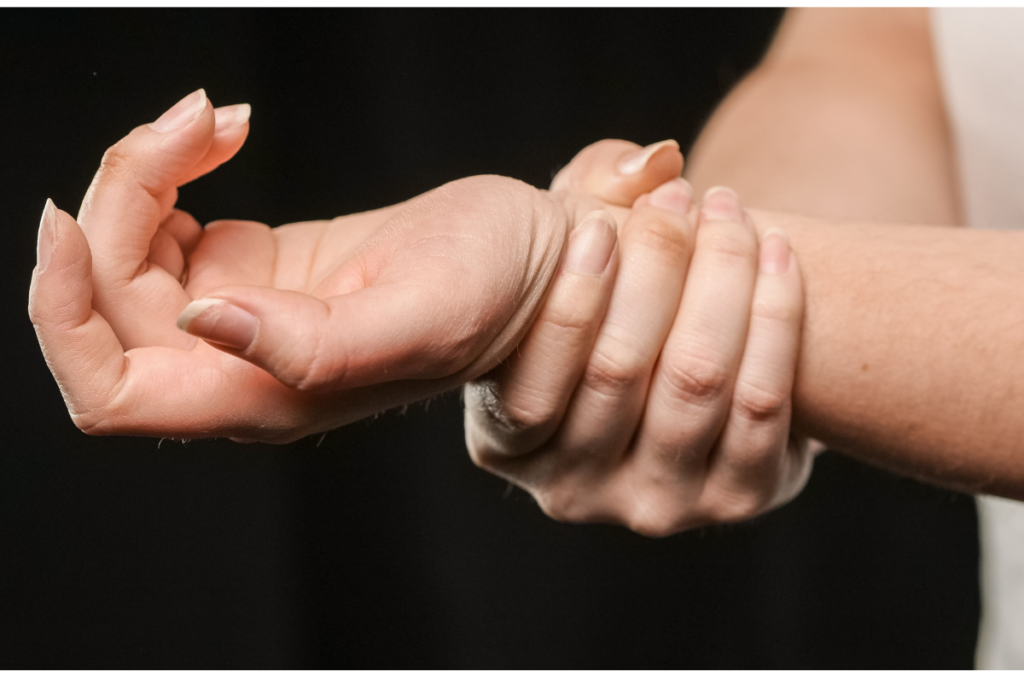
Wrist joint pain refers to discomfort in the wrist area. It may affect one wrist or both at once. The pain can be sharp, dull, or throbbing in nature. Some people feel it only during movement. Others experience constant pain, even at rest. Swelling and stiffness often accompany this discomfort. In severe cases, the wrist may feel unstable.
This condition is not a disease by itself. It is usually a sign of an underlying issue. Identifying that issue helps guide proper treatment. Ignoring wrist pain can lead to further complications. Weakness and reduced grip strength may develop over time. Therefore, early attention to symptoms is highly recommended.

Common Causes of Wrist Pain
Several factors can lead to wrist joint pain. Understanding these causes helps in choosing the right care.
1. Repetitive Strain Injury
Repeated wrist movements can strain tendons and muscles. This is common among typists and factory workers. Athletes who use their wrists often face this issue too. Over time, small tears can develop in the tissue. This leads to inflammation and persistent discomfort.
2. Carpal Tunnel Syndrome
This condition occurs when a nerve gets compressed. The median nerve runs through the wrist’s carpal tunnel. Pressure on this nerve causes tingling and numbness. Pain often worsens at night for many patients. Prolonged computer use is a common contributing factor.
3. Arthritis
Osteoarthritis and rheumatoid arthritis both affect the wrist. Osteoarthritis develops from wear and tear over years. Rheumatoid arthritis is an autoimmune condition instead. Both types cause joint inflammation and stiffness. Morning stiffness is a common sign of arthritis.
4. Sprains and Fractures
A sudden fall can injure the wrist joint. Ligaments may stretch or tear during such falls. Bone fractures can also occur from strong impact. These injuries usually cause immediate, sharp pain. Swelling and bruising often appear soon after.
5. Tendinitis
Tendons around the wrist can become inflamed. This often results from overuse or sudden strain. Pain typically increases with specific hand movements. Swelling may be visible near the affected tendon.
6. Ganglion Cysts
These are fluid-filled lumps near the wrist joint. They can press on nearby nerves or tendons. This pressure often leads to discomfort or weakness. Some cysts disappear naturally without treatment.
Symptoms to Watch For
Wrist pain can present in many different ways. Recognizing these symptoms helps determine the right response.
- Persistent aching or throbbing sensation
- Swelling around the wrist joint
- Reduced grip strength in the hand
- Tingling or numbness in the fingers
- Stiffness, especially in the morning
- A popping or clicking sound during movement
- Warmth or redness near the joint
Patients experiencing several of these symptoms should seek guidance. A timely consultation often prevents the condition from worsening.
Risk Factors for Wrist Joint Pain
Certain factors increase the likelihood of wrist pain. Awareness of these risks supports better prevention.
Age plays a significant role in joint health. Older adults face higher risks of arthritis. Occupations involving repetitive hand motion also add risk. Athletes in sports like tennis face similar challenges. Poor posture during desk work can strain the wrist. Previous injuries also increase future vulnerability. Certain medical conditions, like diabetes, raise risk levels too.
How Wrist Pain Is Diagnosed
Proper diagnosis is essential for effective treatment. Practitioners begin by reviewing the patient’s medical history. A physical examination follows to assess movement and swelling. Doctors often check grip strength and range of motion. Imaging tests, such as X-rays, may be recommended. These tests help rule out fractures or bone damage. In some cases, nerve conduction studies are also useful. Blood tests can identify signs of arthritis as well.
A thorough diagnosis allows for a targeted treatment plan. It also helps distinguish between different possible causes.
The Homoeopathic Approach to Wrist Joint Pain
Homoeopathy treats each patient as a unique individual. It considers physical symptoms alongside lifestyle and emotional factors. This holistic view helps address the root cause of pain. Unlike conventional treatments, it avoids harsh chemical interventions. Remedies are selected based on the patient’s specific symptom pattern.
The goal is to stimulate the body’s own healing response. This approach often results in fewer side effects. It suits patients seeking a gentler, long-term solution. Homoeopathic treatment can also complement other therapies. Many patients report improved mobility over time with consistent care.
At Darul Shifa Homoeopathic Clinic, treatment plans are personalized. Dr. Kashif Zia evaluates each case individually before recommending remedies. This ensures the treatment matches the patient’s actual condition.
Commonly Used Homoeopathic Remedies
Homoeopathy offers several remedies known for supporting joint health. The right remedy depends on individual symptoms and constitution.
- Rhus Toxicodendron is often considered for stiffness that improves with movement.
- Bryonia Alba may help when pain worsens with any motion.
- Ruta Graveolens is associated with support for tendon and ligament strain.
- Calcarea Carbonica is sometimes used for weakness in the joints.
- Causticum may be considered for long-standing joint stiffness.
These remedies should never be self-prescribed without proper guidance. A qualified homoeopath evaluates symptoms before recommending any remedy. This ensures safe and effective treatment for each patient.
Lifestyle and Home Care Tips
Alongside professional treatment, certain habits support wrist health. Simple daily changes can reduce discomfort significantly.
Resting the wrist during flare-ups aids recovery. Applying a cold compress can help reduce swelling. Gentle stretching exercises improve flexibility over time. Maintaining good posture reduces unnecessary strain on joints. Ergonomic keyboards and mouse pads support wrist alignment. Taking regular breaks during repetitive tasks is helpful. Wearing a wrist brace may offer additional support. Staying hydrated supports overall joint health as well.
These habits work best alongside professional treatment. They are not a substitute for proper medical evaluation.
Diet and Wrist Joint Health
Nutrition also plays a role in joint wellness. Certain foods may help reduce inflammation naturally.
Omega-3 rich foods, like flaxseeds, support joint comfort. Fresh fruits and vegetables provide essential antioxidants. Adequate calcium intake supports overall bone strength. Reducing processed food intake may also help. Proper hydration keeps joint tissues functioning well. A balanced diet supports the body’s natural healing process.
Preventing Wrist Joint Pain
Prevention is always better than treating existing pain. Simple precautions can reduce the risk significantly.
Individuals should avoid repetitive strain whenever possible. Taking short breaks during long computer sessions helps. Practicing proper hand posture reduces unnecessary pressure. Strengthening exercises can improve wrist stability over time. Warming up before physical activity is also beneficial. Listening to the body’s early pain signals matters greatly.
When to See a Doctor
Some symptoms require prompt professional attention. Ignoring warning signs can lead to complications.
Patients should seek care if pain is severe. Sudden swelling after an injury also needs evaluation. Numbness that persists should not be ignored. Difficulty moving the wrist is another warning sign. Pain that disrupts sleep also warrants a consultation. In such cases, timely care leads to better outcomes.
Why Choose Darul Shifa Homoeopathic Clinic
Darul Shifa Homoeopathic Clinic focuses on natural, patient-centered care. Dr. Kashif Zia brings years of clinical experience. Every treatment plan is tailored to the individual patient. The clinic emphasizes gentle, long-term healing methods. Patients receive thorough evaluations before any remedy is suggested. This personalized approach helps address the true cause of pain. Many patients appreciate the clinic’s compassionate, attentive care.
Those struggling with wrist joint pain deserve proper guidance. A consultation can clarify the best path forward.
Frequently Asked Questions
1. Can homoeopathy help with wrist joint pain? Yes, homoeopathy offers remedies tailored to individual symptoms. It aims to support the body’s natural healing process.
2. How long does homoeopathic treatment take to show results? Results vary depending on the condition’s severity. Some patients notice improvement within a few weeks.
3. Is wrist pain always caused by an injury? No, wrist pain can also result from arthritis or overuse. Nerve compression is another possible cause.
4. Are homoeopathic remedies safe for long-term use? Homoeopathic remedies are generally gentle on the body. However, they should always be taken under professional guidance.
5. Can lifestyle changes really reduce wrist pain? Yes, posture correction and regular breaks help significantly. These habits work well alongside proper treatment.
6. When should someone consult Dr. Kashif Zia? Anyone with persistent or worsening wrist pain should consult him. Early consultation often leads to better management.
7. Does age affect the risk of wrist joint pain? Yes, older adults are more prone to joint-related issues. However, younger individuals can also be affected due to overuse.
Conclusion
Wrist joint pain can affect anyone, regardless of age. Identifying the underlying cause is essential for recovery. Homoeopathy offers a gentle, personalized treatment path. It focuses on the whole person, not just symptoms. Simple lifestyle changes can further support healing. Patients experiencing ongoing discomfort should seek professional guidance soon. Darul Shifa Homoeopathic Clinic, led by Dr. Kashif Zia, welcomes such consultations. Timely care can help restore comfort and daily function.
This article is intended for educational and informational purposes only. The content provided does not constitute medical advice, diagnosis, or treatment. Every individual’s health situation is unique, and the information presented should not be used as a substitute for professional medical guidance. For the assessment, diagnosis, and treatment, please consult a qualified medical professional.

Leave a Reply