

Kidney stones are hard deposits that form in the kidney when urine becomes too concentrated,type of kidney stone , symptoms,causes and the best treatment options.
Kidney stones are hard deposits that form inside the kidney when minerals and salts in urine crystallize and clump together. While they can be extremely painful, kidney stones are common and, in most cases, treatable. Understanding the type of kidney stone involved, the symptoms and causes, and the available treatment options can help patients make informed decisions about their health.
According to the National Kidney Foundation, kidney stones affect roughly one in ten people at some point during their lives. They can develop in any part of the urinary tract — from the kidney itself all the way to the bladder — and vary widely in size, composition, and severity.
What Is a Kidney Stone?
A kidney stone is a solid piece of material that forms in the kidney when certain substances in urine — such as calcium, oxalate, and uric acid — become highly concentrated. Instead of staying dissolved, these substances crystallize and slowly build into a stone. Kidney stones are hard deposits that can range from the size of a grain of sand to, in rare cases, a golf ball.
Small stones may cause no symptoms at all and pass through the urinary tract on their own without the patient even noticing. However, larger stones can get lodged in the ureter — the narrow tube that carries urine from the kidneys to the bladder — and cause intense pain, nausea, and other complications.
Kidney stones are hard deposits that do not discriminate by age or gender, though certain groups face a higher risk. Understanding how and why stones form is the first step toward prevention and effective management.
Types of Kidney Stones
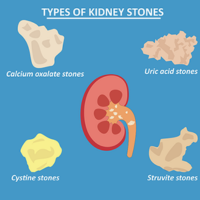
There are several distinct types of kidney stone, and identifying the correct type of kidney stone is critical for choosing the most effective treatment and prevention strategy. Each type of kidney has a different chemical composition and forms under different circumstances.
Calcium Oxalate Stones
Calcium oxalate stones are the most common type of kidney stone, accounting for the large majority of cases. These stones form when calcium in the urine combines with oxalate — a naturally occurring substance found in many foods. Calcium oxalate stones and calcium phosphate stones together make up what are broadly called calcium stones, which are the most prevalent type of stone diagnosed worldwide.
A diet high in animal protein, sodium, or oxalate-rich foods (such as spinach, nuts, and chocolate) can raise the amount of calcium and oxalate in the urine, making it easier for oxalate stones and calcium phosphate stones to form. Staying well hydrated is one of the most effective ways to prevent calcium stones, as it dilutes the substances that lead to stone formation.
Calcium Phosphate Stones
Calcium phosphate kidney stones are less common than calcium oxalate stones but are still a notable type of kidney stone. They tend to form in people with certain metabolic conditions, such as renal tubular acidosis, or in those who take specific medications. Like calcium oxalate stones, calcium phosphate stones are categorized under the broader umbrella of calcium stones and can often be addressed through dietary adjustments and increased fluid intake.
Uric Acid Stones
A uric acid stone forms when the urine is consistently too acidic, creating ideal conditions for uric acid to crystallize. A diet high in animal protein — particularly red meat, shellfish, and organ meats — causes the body to produce more uric acid, which makes it easier for uric acid stones to form. Gout, obesity, and certain types of diabetes and digestive and kidney diseases are also known to promote uric acid stone formation.
Unlike other types, a uric acid stone can sometimes be dissolved with oral medication that makes the urine less acidic. This makes early identification especially important, as it can eliminate the need for invasive procedures. People with a family history of stones or a personal history of gout face a higher risk of forming this type of stone.
Struvite Stones
Struvite stones are closely linked to urinary tract infections (UTIs). When certain bacteria break down urea in the urinary tract, they create ammonia, which raises the pH of the urine and encourages struvite stones to grow. These stones can form quickly and grow large — sometimes large enough to fill an entire kidney — making them particularly dangerous.
Struvite stones are more common in women because they experience urinary tract infections more frequently than men. Treating the underlying urinary tract infection is an essential part of managing and preventing these stones. In many cases, struvite stones require medical intervention since they can lead to serious kidney complications if left untreated.
Cystine Stones
Cystine stones are the rarest type of kidney stone and are caused by a hereditary condition called cystinuria. Cystinuria causes the kidneys to excrete too much of an amino acid called cystine into the urine, which then crystallizes to form cystine stones. Unlike other types, cystine stones often recur throughout a patient’s life and can be particularly difficult to manage.
Because cystinuria causes a genetic defect in the kidney’s ability to reabsorb cystine, individuals with this condition require long-term monitoring and treatment. Cystine stones often need treatment with medications designed to reduce cystine levels in the urine, alongside very high fluid intake to keep cystine diluted. A specialist familiar with digestive and kidney diseases is best positioned to manage this rare condition.
Causes and Risk Factors of Kidney Stones
Stones form when urine contains more crystal-forming substances — such as calcium, oxalate, and uric acid — than the urine from the kidney can dilute. Several factors can contribute to this imbalance, from lifestyle habits to genetics.
Diet and Fluid Intake
Dehydration is one of the most significant risk factors for kidney stones. When the body does not receive enough water, urine becomes concentrated and the conditions for stone formation improve significantly. A diet high in animal protein, sodium, and sugar can all raise the risk of kidney stones.
High levels of calcium in the diet do not necessarily cause kidney stones; in fact, dietary calcium can help reduce the amount of oxalate absorbed by the body. However, calcium supplements taken without food may increase the risk of forming stones. Limiting sodium and animal protein while maintaining good hydration are among the most practical steps people can take to reduce their risk of stone formation.
Genetics and Family History
A family history of stones is a well-established risk factor. If a parent or sibling has had kidney stones, an individual is significantly more likely to develop them at some point. Hereditary conditions such as cystinuria — which causes cystine stones — are directly inherited and require careful lifelong management. Even without a specific inherited disorder, genetic tendencies toward higher calcium or oxalate levels in the urine can increase the risk of kidney stone formation.
Underlying Medical Conditions
Certain medical conditions raise the risk of kidney stones considerably. Hyperparathyroidism causes high levels of calcium in the blood and urine. Gout promotes uric acid stones to form. Inflammatory bowel disease and other digestive conditions can affect how the body absorbs oxalate. People who have had gastric bypass surgery are also at greater risk of forming stones because of changes in how the body processes nutrients.
Conditions related to diabetes and digestive and kidney diseases often intersect with stone formation, making it important for patients managing these conditions to discuss their kidney health with their physician. People with only one kidney also need to be especially vigilant, since any stone-related kidney blockage in a single functioning kidney carries greater risk.
Medications That Increase Risk
Certain medications — including some diuretics, antacids containing calcium, and the HIV medication indinavir — can raise the risk of kidney stone formation. Anyone taking long-term medications should speak with their healthcare provider about whether those medications increase the risk for stones and what preventive steps can be taken.
Symptoms of Kidney Stones
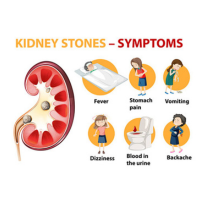
The symptoms of kidney stones vary depending on the size of the stone and where it is located. Small kidney stones may cause no symptoms at all and pass unnoticed. Larger stones, however, can cause severe discomfort and other noticeable signs that something is wrong.
Early Warning Signs
Common early symptoms and causes of discomfort associated with kidney stones include:
- A dull or sharp pain in the back or side, just below the ribs
- Pain that radiates to the lower abdomen and groin
- Pain that comes in waves and fluctuates in intensity
- A burning sensation during urination
- Discolored urine (pink, red, or brown) due to blood
- Cloudy or foul-smelling urine
- A persistent need to urinate, or urinating more frequently than usual
- Nausea and vomiting
Severe Pain and Renal Colic
When a stone in the ureter moves or causes a blockage, it can trigger what is known as renal colic — a wave of intense, cramping pain that many patients describe as among the worst pain they have ever experienced. This type of pain is caused by the stone stretching and irritating the ureter as the body attempts to move the stone toward the bladder.
The pain caused by a kidney stone can be debilitating and often comes without warning. It typically begins suddenly, causes pain in the flank area, and can radiate downward. Large stones in the kidney that cause a kidney blockage may also lead to reduced kidney function over time if left untreated.
When to Seek Emergency Medical Care
Medical attention should be sought immediately if any of the following occur:
- Unbearable pain that cannot be managed with over-the-counter medication
- Pain accompanied by fever and chills, which may signal an infection
- Blood in the urine (hematuria)
- Difficulty urinating or a complete inability to urinate
- Persistent nausea and vomiting that prevents staying hydrated
These signs can indicate a serious complication, such as a kidney blockage or infection, that needs treatment as soon as possible to prevent loss of kidney function.
How Are Kidney Stones Diagnosed?
When a kidney stone is suspected, a physician will typically use a combination of blood and urine tests alongside imaging studies to confirm the diagnosis and assess the stone’s size and location.
Imaging Tests
A CT scan (computed tomography) is the most commonly used imaging technique for detecting kidney stones, as it can identify even small stones and show their precise location within the urinary tract. Ultrasound is often used as a first-line tool, particularly for pregnant women and children, as it involves no radiation. X-rays may also be used to locate certain types of calcium stones, though they are less sensitive than CT scans.
Blood and Urine Tests
Blood and urine tests help identify the underlying cause of stone formation. A urine test can detect high concentrations of calcium, oxalate, uric acid, or cystine — substances that indicate a risk of kidney stones. Blood tests, meanwhile, assess kidney function and check for conditions such as hyperparathyroidism or high levels of calcium or uric acid in the blood. When patients pass a stone, saving it for laboratory analysis helps confirm the type of stone, which guides future prevention strategies.
Kidney Stone Treatment Options
The best treatment for a kidney stone depends on the size, type, and location of the stone, as well as the patient’s overall health. Treatment options range from conservative watchful waiting to minimally invasive surgical procedures.
Passing a Stone Naturally (Watchful Waiting)
Small stones — typically those smaller than 5 mm — often pass on their own without the need for active medical intervention. The patient is generally advised to drink plenty of fluids to help flush the stone through the urinary tract and to pass the stone as quickly as possible. Pain medication is prescribed to manage discomfort while the stone passes.
Small kidney stones that cause no symptoms may simply stay in the kidney for a long period without requiring immediate action. However, regular monitoring is still advised to ensure that stones can grow no further and that kidney function remains unaffected.
Pain Management and Medications
For patients waiting to pass a kidney stone naturally, medications play an important role. Alpha-blockers — such as tamsulosin — relax the muscles of the ureter, making it easier for stones to pass. Berberis vulg,Colocynth,Lycopodium are used to relieve the pain caused by renal colic, In homoeopathy medicines should must to select on the present conditions,sign and symptoms of the paitent.These medications help keep patients comfortable. For all kind of kidney stones, medications that alkalize the urine can sometimes dissolve the stone over time, making them a valuable non-surgical treatment option.
How to Prevent Kidney Stones
Preventing another stone from forming is a priority for anyone who has experienced one. The good news is that several practical steps can significantly reduce the risk of kidney stone recurrence. Prevention strategies are largely guided by the type of stone a patient has previously formed.
Hydration Guidelines
Drinking enough fluid — primarily water — is the single most important step anyone can take to reduce the risk of kidney stones. The goal is to produce enough urine from the kidney to keep it pale yellow throughout the day. Most adults are advised to aim for at least 2.5 to 3 liters of urine output per day. People who live in hot climates or who exercise frequently may need to drink even more to compensate for fluid lost through sweat.
Dietary Changes by Stone Type
For those who have had calcium oxalate stones, reducing sodium and animal protein intake can help prevent calcium stones from forming again. Moderate consumption of oxalate-rich foods — such as spinach, beets, and nuts — is also advisable. Rather than cutting out dairy entirely (which could reduce the amount of calcium available to bind with oxalate in the gut), patients are generally encouraged to consume calcium through food sources rather than supplements.
For those prone to uric acid stones, cutting back on a diet high in animal protein, especially red meat and shellfish, and limiting alcohol — particularly beer — can help prevent uric acid stones to form again. For struvite stones, preventing stones from forming again requires treating and preventing recurrent urinary tract infections. For those with cystinuria, high fluid intake is especially critical since cystine stones often recur and require continuous management to prevent the next stone.
Preventive Medications
Depending on the type and cause of stone formation, a physician may prescribe medications to reduce the risk of forming another stone. Thiazide diuretics help prevent calcium stones from forming by reducing the amount of calcium excreted into the urine. Potassium citrate can help prevent calcium oxalate stones and uric acid stones by raising the pH of the urine and binding calcium. Allopurinol is sometimes prescribed to reduce uric acid production in those prone to uric acid stones.
For those whose stones are linked to infections, long-term low-dose antibiotics may be considered. For cystinuria, special medications that bind cystine and prevent it from crystallizing are an important part of the management plan. The right approach depends on the individual, and the risk of stone formation should always be assessed in consultation with a qualified healthcare professional.
Frequently Asked Questions
How long does it take to pass a kidney stone?
The time it takes to pass a kidney stone depends largely on the size and location of the stone. Small stones — those under 4 mm — may pass within a few days to a couple of weeks. Larger stones may take several weeks, and some may not pass at all without medical intervention. Drinking plenty of water and taking prescribed medication can help small kidney stones pass more quickly.
Can kidney stones cause permanent kidney damage?
If left untreated, large stones can cause a kidney blockage that, over time, leads to loss of kidney function. Repeated or prolonged blockages can cause permanent scarring of kidney tissue. This is why stones that cause pain, infection, or a blockage need treatment promptly. Most people who receive timely care do not experience lasting damage.
Are kidney stones more common in men or women?
Historically, kidney stones are more common in men than in women; however, the gap has been narrowing in recent decades. Women are catching up, largely due to changes in diet and lifestyle. Struvite stones, which are tied to urinary tract infections, are more frequently seen in women.
Can I exercise with a kidney stone?
Light activity, such as walking, can sometimes help stones pass more quickly by encouraging movement through the urinary tract. However, intense exercise is generally not advisable during an active stone episode, especially if it causes pain. Patients should always follow their doctor’s specific guidance regarding physical activity while managing a kidney stone.
When to See a Urologist
While a general physician can often handle a first-time kidney stone episode, a urologist — a specialist in urinary tract conditions — should be involved if stones recur, if large stones need treatment, or if an underlying metabolic condition is suspected. Stones can grow quickly and cause symptoms that need treatment urgently, so it is always best to err on the side of caution.
Anyone who has been diagnosed with kidney stones and wants to explore their treatment options or get a personalised prevention plan is encouraged to book a consultation. Early intervention, the right dietary guidance, and appropriate medication can significantly reduce the risk of kidney stones recurring — helping patients protect their kidney function and quality of life for the long term.
Medical Disclaimer: This article is intended for general informational purposes only and does not constitute medical advice.
Always consult a qualified healthcare professional for diagnosis and treatment of any medical condition.

Leave a Reply