

When the Body Speaks, We Must Listen
Every day, millions of people wake up feeling drained, achy, and completely worn out. They drag themselves through daily routines. They push through meetings, chores, and responsibilities. Yet the exhaustion never fully leaves. Weakness and body pain are two of the most commonly reported health complaints worldwide. Yet they are also among the most misunderstood and frequently dismissed symptoms in modern medicine.
These two symptoms rarely appear alone. They travel together, feed each other, and quietly rob people of their energy, happiness, and productivity. Left unaddressed, weakness and body pain can snowball into more serious health conditions. That is why early recognition, proper diagnosis, and the right treatment approach matter so much.
This article takes a deep, honest, and complete look at weakness and body pain. It explores their causes, warning signs, and how homoeopathic medicine offers a gentle yet powerful path to recovery.
What Is Body Weakness? A Clear Definition
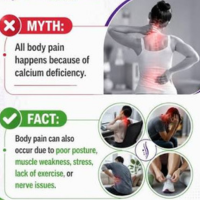
Body weakness is more than just feeling tired after a long day. It is a persistent, abnormal reduction in the body’s physical or mental energy levels. Doctors and homoeopaths describe it as a state where the body cannot perform its normal functions with usual ease.
There are two main types of weakness that patients commonly experience:
1. Physical Weakness
Physical weakness involves reduced muscle strength, stamina, and overall body function. A person may find simple tasks — like climbing stairs or carrying groceries — suddenly difficult. Muscles feel heavy, joints feel stiff, and the body demands more rest than usual.
2. Mental or Nervous Weakness
Mental weakness includes poor concentration, brain fog, memory lapses, and emotional exhaustion. It often accompanies physical weakness. The nervous system appears depleted. Daily decision-making becomes tiring. Even simple conversations feel like a huge effort.
Understanding Body Pain: More Than Just Aches
Body pain refers to discomfort felt in the muscles, joints, bones, or soft tissues of the body. It can range from mild soreness to severe, debilitating pain. It may be localized — concentrated in one area — or widespread, affecting the entire body.
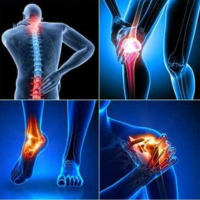
Common types of body pain include:
- Muscle pain: Aching, soreness, or spasm in the muscles
- Joint pain: Stiffness, swelling, or pain in the joints
- Bone pain: Deep, dull aching inside the bones
- Nerve pain: Burning, tingling, or shooting sensations
- Generalized body aches: All-over pain without a clear single source
When weakness and body pain occur together, the experience becomes truly debilitating. The body lacks the energy to heal itself. The pain makes rest difficult. The cycle becomes relentless without proper care.
Common Causes of Weakness and Body Pain
Understanding the root cause is the first step toward real healing. Weakness and body pain have many triggers. Some are simple and lifestyle-related. Others point to underlying medical conditions that require professional attention.
1. Nutritional Deficiencies
A deficiency in essential vitamins and minerals is one of the most widespread causes. Low levels of Vitamin D, Vitamin B12, iron, magnesium, and calcium can all cause significant muscle pain and body weakness. Patients often do not realize their diet is lacking until symptoms appear.
2. Anaemia (Low Blood Count)
Anaemia occurs when the body does not have enough healthy red blood cells. Without adequate oxygen delivery to muscles and organs, fatigue and body aches become constant companions. Women and children are especially vulnerable to this condition.
3. Infections and Post-Viral Fatigue
Bacterial and viral infections — including influenza, dengue, typhoid, and COVID-19 — are well-known causes. Even after the infection clears, post-viral fatigue can leave patients weak and in pain for weeks or even months. The immune system’s recovery demands enormous energy resources.
4. Thyroid Disorders
An underactive thyroid (hypothyroidism) slows down nearly every body function. Patients experience muscle weakness, joint pain, persistent fatigue, and cold sensitivity. Thyroid dysfunction is often overlooked because its symptoms are gradual and easy to mistake for normal aging.
5. Stress and Anxiety
Chronic emotional stress keeps the body in a constant state of alert. The stress hormone cortisol depletes energy reserves over time. Prolonged anxiety causes muscle tension, headaches, backaches, and a deep sense of physical and mental exhaustion.
6. Sleep Disorders and Poor Rest
The body repairs and regenerates during sleep. When sleep quality is poor — due to insomnia, sleep apnea, or irregular sleep patterns — muscles do not recover properly. The result is waking up already exhausted and achy, regardless of hours in bed.
7. Fibromyalgia
Fibromyalgia is a chronic pain condition characterized by widespread musculoskeletal pain and extreme fatigue. Patients describe it as a constant flu-like state. Tender points across the body respond painfully even to light pressure. It affects women more commonly than men.
8. Autoimmune Conditions
Conditions like rheumatoid arthritis, lupus, and multiple sclerosis cause the immune system to attack the body’s own tissues. This leads to chronic joint pain, muscle weakness, inflammation, and severe fatigue. Early homoeopathic intervention can help manage symptoms significantly.
9. Diabetes and Blood Sugar Imbalances
High or unstable blood sugar levels damage nerves and blood vessels over time. Diabetic patients frequently report generalized body weakness, leg pain, and numbness. Energy crashes after meals also point to blood sugar dysregulation.
10. Sedentary Lifestyle
Paradoxically, too little physical activity weakens the muscles and increases pain sensitivity. The body becomes deconditioned. Circulation slows. Muscles tighten and atrophy. Even a previously healthy person becomes prone to aches and fatigue through prolonged inactivity.
Experiencing persistent weakness or body pain?
Do not ignore what your body is trying to tell you. Early treatment prevents complications and speeds up recovery.
Book a consultation with Dr. Kashif Zia at Dar ul Shifa Homoeopathic Clinic today. Dr. Kashif Zia has years of clinical experience helping patients recover from chronic weakness, body pain, fatigue, and related conditions — using safe, natural, and personalized homoeopathic treatment.
Visit us at: darulshifahomoeopathicclinic.com
Warning Signs That Demand Immediate Attention
Not all body pain and weakness are mild. Certain symptoms signal serious underlying conditions. Medical or homoeopathic attention should be sought without delay when the following signs appear:
- Sudden severe weakness on one side of the body
- Chest pain combined with fatigue and shortness of breath
- Unexplained rapid weight loss alongside body weakness
- Persistent high fever with generalized body aches
- Weakness accompanied by loss of bladder or bowel control
- Pain that is constant, worsening, and not relieved by rest
- Swollen, red, and warm joints accompanied by fatigue
“The body always speaks the truth. When pain and weakness persist, they are not weakness of character — they are a call for proper care.”
How Homoeopathy Addresses Weakness and Body Pain
Homoeopathy is a complete system of natural medicine. It has been practiced for over 200 years worldwide. Unlike conventional medicine, which often targets only the symptom, homoeopathy treats the whole person — body, mind, and spirit — from the root cause.
Homoeopathic medicines are prepared from natural substances — plant, mineral, and animal origins. They work by stimulating the body’s own healing intelligence. They carry no chemical side effects. They are safe for all ages, including children, elderly patients, and pregnant women.
Why Homoeopathy Works for Chronic Weakness and Pain
Chronic weakness and body pain are not surface-level problems. They involve the nervous system, the immune system, hormonal balance, and emotional wellbeing. Homoeopathy addresses all these layers simultaneously. A skilled homoeopath does not just prescribe a medicine for pain. The homoeopath listens deeply to the patient’s complete story — the nature of the pain, what makes it better or worse, the patient’s emotional state, sleep patterns, food preferences, and life history — before selecting the most appropriate remedy.
This individualized approach is what makes homoeopathy uniquely powerful for conditions like fibromyalgia, post-viral fatigue, chronic anaemia, thyroid imbalance, and stress-related exhaustion.
Key Homoeopathic Remedies for Weakness and Body Pain
Below is an overview of commonly used homoeopathic medicines for these conditions. These are for informational purposes only. A qualified homoeopath must always prescribe based on individual symptoms.
| Remedy | Key Indications |
| Arnica Montana | Muscle soreness, bruised feeling all over, weakness after overexertion |
| Rhus Toxicodendron | Stiffness and pain that improves with movement; restlessness; joint pain |
| Gelsemium | Deep fatigue, heaviness of limbs, trembling weakness, post-viral exhaustion |
| Kali Phosphoricum | Nervous exhaustion, mental and physical weakness, burnout, poor memory |
| China Officinalis | Weakness after fluid loss, anaemia, extreme debility, sensitivity to touch |
| Ferrum Metallicum | Anaemia with weakness, pallor, fatigue, muscle pain with slight exertion |
| Bryonia Alba | Body pain that worsens with any movement; desires absolute rest |
| Calcarea Carbonica | Bone and joint weakness, fatigue from exertion, sweating, sluggishness |
Lifestyle Tips That Support Recovery
Homoeopathic treatment works most effectively when supported by positive lifestyle choices. Patients who follow these habits alongside their prescribed remedies tend to recover faster and more completely.
1. Prioritize Restorative Sleep
The body heals during deep sleep. Maintaining a consistent sleep schedule — going to bed and waking at the same times — trains the nervous system. A dark, quiet, cool room supports deeper, more restorative sleep cycles.
2. Eat a Nutrient-Dense Diet
The body needs building blocks to repair itself. A diet rich in leafy greens, whole grains, lean proteins, nuts, seeds, and fresh fruits supplies essential vitamins and minerals. Patients with anaemia should include iron-rich foods like spinach, lentils, and dates regularly.
3. Stay Gently Active
Complete rest is not always the answer. Gentle walking, yoga, stretching, and swimming improve circulation. They reduce muscle stiffness. They also boost mood-enhancing endorphins, which naturally reduce pain perception.
4. Manage Stress Proactively
Stress is a significant driver of both weakness and body pain. Deep breathing exercises, meditation, journaling, and spending time in nature all help regulate cortisol levels. Even 10 minutes of mindful breathing daily makes a measurable difference.
5. Stay Hydrated
Muscles and joints need adequate hydration to function properly. Dehydration itself can cause muscle cramps, headaches, and fatigue. Drinking at least 8 glasses of water daily supports cellular repair and toxin elimination.
6. Limit Processed Foods and Sugar
Processed foods and refined sugars cause inflammation throughout the body. Inflammation worsens joint pain, increases fatigue, and slows healing. A clean, whole-food diet dramatically reduces inflammatory markers over time.
Weakness and Body Pain in Special Populations
Children and Adolescents
Growing children can experience body pain due to growth spurts, nutritional gaps, or infections. Weakness in children warrants investigation for anaemia, thyroid issues, or vitamin deficiencies. Homoeopathy is especially suitable here, as remedies are safe, gentle, and easy to administer.
Women
Hormonal fluctuations during menstruation, pregnancy, and menopause make women particularly prone to body weakness and muscle pain. Iron-deficiency anaemia is very common in menstruating women. Homoeopathy offers specific remedies that address hormonal imbalances without disrupting the body’s natural cycles.
Elderly Patients
Ageing brings natural changes in muscle mass, bone density, and hormonal balance. Elderly patients commonly experience joint stiffness, generalized body aches, and reduced energy. Homoeopathy provides safe, non-drug options that do not interact with existing medications — a key advantage for older patients.
Working Professionals
Long working hours, screen fatigue, poor posture, and high stress levels create a perfect storm for weakness and body pain among professionals. Neck pain, back pain, eye strain, and mental exhaustion are extremely common. Homoeopathy addresses both the physical and mental dimensions of this modern health challenge.
Ready to feel like yourself again?
At Dar ul Shifa Homoeopathic Clinic, Dr. Kashif Zia provides thorough consultations to understand the root cause of your weakness and body pain. Every treatment plan is completely tailored to the individual patient. There are no one-size-fits-all solutions here — only personalized, compassionate care.
Whether the condition is recent or has been lingering for years, it is never too late to seek proper homoeopathic treatment. Many patients have found lasting relief after years of suffering with chronic fatigue and pain.
Book your appointment at darulshifahomoeopathicclinic.com
The Connection Between Mental Health and Body Pain
Modern science has confirmed what homoeopaths have known for centuries: the mind and body are inseparable. Depression and anxiety are not just emotional states. They are physical conditions that manifest in the body as pain, tension, fatigue, and weakness.
Patients dealing with grief, trauma, burnout, or long-term stress often develop what is known as psychosomatic pain. This is real physical pain. It is not imagined. It originates from disrupted nervous system signalling triggered by emotional distress.
Homoeopathic medicines like Ignatia Amara, Natrum Muriaticum, and Staphysagria are specifically suited for situations where emotional pain has manifested as physical weakness and body aches. Addressing the emotional root alongside the physical symptoms is what distinguishes homoeopathic treatment from purely symptom-based approaches.
When to Seek Professional Homoeopathic Help
Many people delay seeking treatment for weakness and body pain. They assume it will resolve on its own. Sometimes it does. But chronic or recurring weakness and pain almost always have a deeper cause that home remedies and rest cannot address.
Professional homoeopathic consultation is advisable when:
- Weakness or pain has lasted more than two to three weeks
- Daily activities are being significantly limited by symptoms
- Sleep is being disrupted by pain or restlessness
- Conventional medicines provide only temporary relief or cause unwanted side effects
- Multiple body systems seem to be affected simultaneously
- There is emotional distress alongside physical symptoms
- A known condition like thyroid disease, anaemia, or diabetes is not well controlled
Why Patients Choose Dar ul Shifa Homoeopathic Clinic
Dar ul Shifa Homoeopathic Clinic has built a strong reputation for compassionate, results-driven homoeopathic care. Patients return again and again — not just because their symptoms improve, but because they feel truly heard and understood.
Dr. Kashif Zia brings deep clinical knowledge and a patient-first philosophy to every consultation. Each patient receives a comprehensive case study. The prescription is never rushed. Follow-up care is attentive and consistent. The goal is not just short-term relief — it is long-term restoration of health and vitality.
Homoeopathy at Dar ul Shifa Homoeopathic Clinic is practised according to classical principles — meaning the remedies are selected based on the totality of each patient’s unique symptoms, not a standard protocol. This is what produces lasting, meaningful results.
Frequently Asked Questions (FAQs)
Q1. Can homoeopathy completely cure chronic weakness and body pain?
In many cases, yes. Homoeopathy addresses the root cause of weakness and pain rather than suppressing symptoms temporarily. When the correct remedy is identified and the patient follows recommended lifestyle changes, lasting recovery is very achievable. Results vary depending on the duration and severity of the condition, the patient’s overall health, and consistency of treatment.
Q2. How long does homoeopathic treatment take to show results?
Acute conditions — like body pain from a viral infection — often respond within days. Chronic conditions — like fibromyalgia, long-standing fatigue, or arthritis — typically require several weeks to months of consistent treatment. Homoeopathy works at a deep level, so patients often notice gradual but steady improvement in energy, pain levels, sleep, and overall wellbeing.
Q3. Is homoeopathic treatment safe for children and elderly patients?
Absolutely. Homoeopathic remedies are prepared in highly diluted forms. They carry no chemical toxicity. They are safe for all age groups — from newborns to the very elderly. There is no risk of overdose, and they do not interact with conventional medications, making them ideal for elderly patients on multiple drugs.
Q4. What is the difference between body weakness and normal tiredness?
Normal tiredness resolves after adequate rest. Body weakness, however, persists despite rest. It is characterised by disproportionate exhaustion, reduced muscle strength, difficulty performing routine tasks, and often accompanying symptoms like pain, poor concentration, or mood changes. If tiredness does not improve with sleep and rest, it should be professionally evaluated.
Q5. Can nutritional deficiencies cause severe body pain?
Yes, very much so. Vitamin D deficiency, for instance, causes deep bone pain and muscle weakness that is often mistaken for arthritis. Magnesium deficiency leads to muscle cramps and nerve pain. Iron deficiency causes fatigue and muscular weakness. A proper blood panel can identify these deficiencies. Homoeopathic remedies alongside dietary correction can restore normal levels effectively.
Q6. Can stress really cause physical body pain?
Absolutely. Chronic stress keeps the body in a constant fight-or-flight state. This causes persistent muscle tension, elevated cortisol levels, and widespread inflammation. Over time, these physical effects manifest as neck pain, back pain, headaches, and generalized body aches. Homoeopathy addresses both the psychological stress and its physical manifestations simultaneously.
Q7. Do I need to stop other medicines before starting homoeopathy?
Generally, no. Homoeopathic remedies do not chemically interact with conventional medications. Many patients take both during a transition period. However, it is always best to inform Dr. Kashif Zia about all medications and supplements being taken. He will guide patients appropriately based on their individual health situation.
Q8. Is online consultation available at Dar ul Shifa Homoeopathic Clinic?
For the most accurate and up-to-date information about consultation options — including in-person and online appointments — patients are encouraged to visit the clinic’s official website at darulshifahomoeopathicclinic.com or contact the clinic directly.
Conclusion: Reclaim Your Energy and Live Without Pain
Weakness and body pain are not a life sentence. They are signals — the body’s honest way of communicating that something is out of balance. With the right approach, these signals can be understood, addressed, and resolved.
Homoeopathy offers a time-tested, scientifically grounded, and deeply humane path to healing. It treats patients as whole people — not just collections of symptoms. It looks beyond the pain to the person carrying it. And it works with the body’s own extraordinary capacity for healing, not against it.
Whether the weakness is recent or years old — whether the body pain is mild or severe — there is always a path forward. The first step is simply deciding to seek proper care. Dr. Kashif Zia and the entire team at Dar ul Shifa Homoeopathic Clinic are ready to walk that path alongside every patient, every step of the way.
Do not wait for pain to define your life. Take action today.
Visit darulshifahomoeopathicclinic.com to book your appointment with Dr. Kashif Zia and begin your journey toward genuine, lasting health.
Disclaimer: This article is for informational purposes only and does not constitute medical advice. Please consult a qualified homoeopathic practitioner for diagnosis and treatment.


Leave a Reply