

Psychological Health: Understanding Mind and Mood
Mental health shapes every part of daily life. It affects how a person thinks, feels, and behaves. It also influences relationships, work, and overall wellbeing.
Many people focus only on physical symptoms when they feel unwell. They often overlook the psychological side of health entirely. Yet the mind and body remain deeply connected at all times.
Psychological issues can develop slowly or appear suddenly. They can affect anyone, regardless of age or background. Recognising the signs early makes a real difference in recovery.
If anyone feels persistent sadness, anxiety, or emotional distress, professional guidance helps. Booking an appointment with Dr. Kashif Zia can provide clarity and support. Early conversations with a qualified doctor often lead to better outcomes.
This article explains psychological health in clear, simple terms. It covers common causes, symptoms, and natural approaches to care. The goal is to help readers understand their mind better.
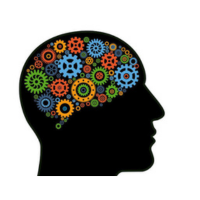
What Does Psychological Health Mean?
Psychological health refers to emotional, mental, and social wellbeing. It includes how a person manages stress, emotions, and relationships. Good psychological health allows people to function well daily.
This does not mean a person never feels sad or anxious. Everyone experiences difficult emotions from time to time. Psychological health becomes a concern when these feelings persist or worsen.
A psychologically healthy person can handle challenges reasonably well. They maintain relationships, work effectively, and enjoy daily activities. When this balance breaks down, professional support becomes important.
Why Psychological Health Deserves More Attention
Many cultures still treat mental health as a lesser priority. Physical illnesses often receive more attention and concern. This imbalance leaves many psychological issues unnoticed or ignored.
Untreated psychological distress rarely stays contained to the mind alone. It often affects sleep, appetite, and physical energy levels. Over time, it can also strain relationships and work performance.
Ignoring early warning signs typically allows problems to deepen. What starts as mild stress can develop into something more serious. Addressing concerns early prevents this gradual escalation.
Mental health and physical health are closely linked. Chronic stress, for example, can affect digestion and the heart. Treating the mind often improves physical symptoms as well.
Common Causes of Psychological Distress
Psychological distress rarely comes from a single source. It usually develops from a combination of factors. Understanding these causes helps people identify their own triggers.
Work and Financial Pressure
Modern life places constant demands on most people. Long working hours and job insecurity create ongoing stress. Financial difficulties add another heavy layer of worry.
This pressure can build gradually over many months. Eventually, it affects mood, sleep, and concentration significantly. Many people don’t realise how much pressure has accumulated.
Relationship and Family Conflicts
Difficult relationships often weigh heavily on the mind. Conflicts with family members or partners cause emotional strain. Unresolved tension can lead to persistent anxiety or sadness.
Family responsibilities also add significant emotional weight. Caring for children or elderly relatives requires constant energy. This responsibility, while rewarding, can become exhausting over time.
Major Life Changes
Big life transitions often disrupt emotional stability. Examples include marriage, job loss, relocation, or bereavement. Even positive changes can create unexpected stress.
The mind needs time to adjust to new circumstances. Rushing through this adjustment often increases psychological strain. Patience and support help ease this transition period.
Physical Health Problems
Chronic illness frequently affects psychological wellbeing too. Constant pain or fatigue can lower mood significantly. Long-term health conditions often bring fear and uncertainty.
This connection works both ways consistently. Physical illness can trigger psychological distress, and vice versa. Treating both aspects together produces better overall results.
Genetic and Biological Factors
Some psychological tendencies run within families. Genetics can influence how a person responds to stress. Biological factors also affect mood regulation and emotional balance.
This does not mean psychological issues are unavoidable. Lifestyle, environment, and support all play important roles too. Genetics is only one piece of a larger picture.
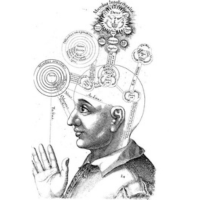
Common Signs of Psychological Strain
Recognising psychological strain early requires attention to specific signs. The following symptoms often indicate underlying distress.
- Persistent sadness or low mood for extended periods
- Constant worry, restlessness, or nervousness
- Difficulty sleeping or excessive sleeping
- Loss of interest in usual activities
- Trouble concentrating or making decisions
- Irritability or sudden mood swings
- Withdrawal from friends and family
- Changes in appetite or energy levels
- Frequent headaches or unexplained physical complaints
A single sign may not indicate a serious problem. However, multiple symptoms appearing together deserve closer attention. Anyone noticing several of these signs should seek guidance.
How Stress Affects the Body and Mind
Stress triggers a natural response within the body. This response prepares a person to face perceived danger. In short bursts, this reaction is completely normal and helpful.
Problems arise when stress becomes constant and unrelenting. The body remains in a heightened state for too long. This prolonged state affects both mental and physical health.
Chronic stress can disrupt sleep patterns significantly. It can also weaken the immune system over time. Many people experience digestive issues linked directly to stress.
Mentally, chronic stress often leads to irritability and exhaustion. Concentration suffers, and decision-making becomes more difficult. Left unmanaged, stress can develop into deeper psychological concerns.
The Mind-Body Connection Explained
The mind and body communicate constantly through complex pathways. Emotional states directly influence physical sensations and functions. This connection explains why stress causes physical symptoms.
For example, anxiety often triggers a racing heartbeat. Persistent worry can cause muscle tension and headaches. Sadness frequently reduces appetite and physical energy.
This connection works in the opposite direction too. Physical pain or illness can lower mood and increase anxiety. Treating only one side rarely solves the complete problem.
Holistic approaches consider both mind and body together. This perspective often leads to more complete and lasting results. It also helps patients understand their symptoms more clearly.
Homoeopathic Approach to Psychological Health
Homoeopathy takes an individualised approach to psychological wellbeing. It considers each patient’s unique emotional and physical patterns. This approach looks beyond surface symptoms toward root causes.
Homoeopathic care focuses on restoring natural balance within the body. Remedies are selected based on a person’s complete health picture. This includes emotional history, physical symptoms, and lifestyle factors.
Unlike one-size-fits-all approaches, homoeopathy treats each person individually. Two people with similar symptoms may receive different remedies. This personalised method respects each patient’s unique experience.
Many patients appreciate the gentle nature of homoeopathic treatment. It works gradually to support the body’s natural healing processes. This approach pairs well with lifestyle changes and emotional support.
If stress, anxiety, or low mood feels overwhelming, professional help matters. Scheduling a consultation with Dr. Kashif Zia offers a path forward. A thorough evaluation helps identify the most suitable treatment approach.
Lifestyle Habits That Support Mental Wellbeing
Daily habits significantly influence psychological health over time. Small, consistent changes often produce meaningful improvements. The following habits support better emotional balance.
- Maintain a consistent sleep schedule every night.
- Engage in regular physical activity throughout the week.
- Eat balanced meals at consistent times daily.
- Limit caffeine and sugar intake where possible.
- Practice relaxation techniques like deep breathing.
- Stay connected with supportive friends and family.
- Set realistic goals and avoid overcommitting.
- Take short breaks during demanding work periods.
- Spend time outdoors and in natural sunlight.
- Limit excessive screen time, especially before bed.
These habits don’t replace professional treatment when needed. However, they create a strong foundation for overall wellbeing. Combining healthy habits with proper care produces the best results.
The Role of Sleep in Psychological Health
Sleep plays a crucial role in emotional regulation. Poor sleep quality often worsens anxiety and irritability. Consistent, restful sleep supports clearer thinking and stable mood.
Many psychological symptoms improve once sleep patterns normalise. This makes sleep one of the first areas worth addressing. Simple changes to bedtime routines can produce noticeable improvements.
Reducing screen exposure before bed often helps significantly. Keeping a consistent sleep and wake time also supports better rest. A calm bedroom environment further encourages quality sleep.
Supporting a Loved One With Psychological Struggles
Watching a loved one struggle emotionally can feel difficult. Knowing how to help often feels confusing or overwhelming. A few simple approaches can make a meaningful difference.
Listening without judgment matters more than offering quick solutions. Many people simply want to feel heard and understood. Patience and empathy create a safe space for open conversation.
Encouraging professional support is also genuinely helpful. Suggesting a visit to a qualified doctor shows real care. Avoid pressuring the person, but gently express concern and support.
Family involvement often improves treatment outcomes significantly. A supportive home environment helps the healing process considerably. Small gestures of understanding can carry significant weight.
When to Seek Professional Help
Some psychological symptoms ease naturally with rest and time. Others require professional attention for proper management. Knowing when to seek help prevents unnecessary suffering.
Professional guidance becomes important when symptoms persist for weeks. It also matters when symptoms interfere with daily functioning. Difficulty working, sleeping, or maintaining relationships are clear signals.
Sudden, intense emotional distress also warrants prompt attention. Waiting too long often allows symptoms to deepen further. Early intervention generally leads to faster, smoother recovery.
Anyone uncertain about their symptoms should consult a doctor. A professional evaluation provides clarity and appropriate guidance. There is no need to manage these concerns alone.
Why Choose Dar ul Shifa Homoeopathic Clinic
Dar ul Shifa Homoeopathic Clinic provides compassionate, judgement-free care. The clinic creates a safe space for open conversation. Patients feel heard, respected, and genuinely supported throughout treatment.
Dr. Kashif Zia brings over twenty years of clinical experience. His approach combines careful listening with thorough evaluation. Every treatment plan reflects each patient’s individual needs and history.
The clinic treats mental health with the same seriousness as physical health. Patients receive comprehensive care that considers mind and body together. This whole-person approach often leads to lasting improvement.
Both in-person and online consultations remain available for patients. This flexibility makes professional support more accessible for everyone. Distance or scheduling conflicts need not delay necessary care.
Frequently Asked Questions
What is the difference between stress and a psychological disorder? Stress is a normal response to life’s demands. A psychological disorder involves persistent symptoms that disrupt daily functioning.
Can psychological problems cause physical symptoms? Yes, psychological distress often causes headaches, fatigue, and digestive issues. The mind and body remain closely connected.
Is homoeopathy effective for anxiety and stress? Many patients find homoeopathy helpful for managing anxiety and stress. Treatment works gradually and considers each person’s unique symptoms.
How long does psychological treatment usually take? Treatment duration varies by individual and symptom severity. Some patients notice improvement within weeks, while others need longer support.
Should children receive psychological support too? Yes, children can experience psychological distress just like adults. Early support helps children develop healthy coping skills.
Can lifestyle changes alone improve psychological health? Lifestyle changes help significantly, but severe symptoms often need professional care. Combining both approaches produces the best outcomes.
Is it normal to feel anxious without an obvious reason? Yes, anxiety sometimes appears without a clear trigger. A professional evaluation can help identify underlying causes.
How can someone book an appointment with Dr. Kashif Zia? Patients can book online through the clinic’s website or call directly. Both in-person and online consultations are available.
Final Thoughts
Psychological health deserves the same attention as physical health. Ignoring emotional struggles rarely makes them disappear naturally. Addressing concerns early leads to better, faster recovery.
Everyone deserves a safe space to discuss their mental wellbeing. Dar ul Shifa Homoeopathic Clinic offers exactly that environment. Compassionate, personalised care remains available for every patient.
If persistent stress, anxiety, or low mood feels overwhelming, reach out for support. Booking an appointment with Dr. Kashif Zia is a meaningful first step. Better mental wellbeing often begins with a single, honest conversation.
This article is intended for educational and informational purposes only. The content provided does not constitute medical advice, diagnosis, or treatment. Every individual’s health situation is unique, and the information presented should not be used as a substitute for professional medical guidance. For the assessment, diagnosis, and treatment, please consult a qualified medical professional.

Leave a Reply