
Understanding Fatty Liver Disease and Life Expectancy
Fatty liver disease is one of the most common liver conditions worldwide. It affects millions of people across all age groups. Many patients ask the same important question after diagnosis. They want to know how long they can live with this condition.
The honest answer is — it depends on several key factors. The stage of the disease matters greatly. Lifestyle choices play an equally important role. Early detection and proper treatment significantly improve life expectancy.
Fatty liver disease is not an immediate death sentence. With the right care and treatment, many patients live long and healthy lives. Understanding the condition fully is the first step toward better health outcomes.
This article covers everything about life expectancy with fatty liver disease. It explores stages, risk factors, treatment options, and practical lifestyle advice.
What Is Fatty Liver Disease?
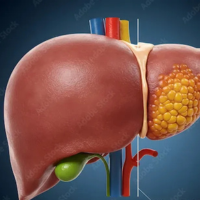
Fatty liver disease occurs when excess fat accumulates in liver cells. The liver naturally contains small amounts of fat. However, when fat exceeds 5–10% of the liver’s total weight, it becomes a medical concern.
There are two main types of fatty liver disease:
Non-Alcoholic Fatty Liver Disease (NAFLD)
NAFLD is the most common type globally. It develops in people who drink little or no alcohol. It is strongly linked to obesity, diabetes, and poor dietary habits. NAFLD affects approximately 25% of the global population.
Alcoholic Fatty Liver Disease (AFLD)
AFLD results from excessive and prolonged alcohol consumption. Alcohol is directly toxic to liver cells. Continued drinking accelerates liver damage and reduces life expectancy significantly.
Both types can progress from mild fat accumulation to severe liver damage. The progression depends heavily on lifestyle and treatment choices.
Stages of Fatty Liver Disease
Understanding the stages helps patients recognize where they stand. It also helps them take corrective action in time.
Stage 1 — Simple Steatosis (Fat Accumulation)
This is the earliest and mildest stage. Fat deposits form in the liver cells. Most patients have no noticeable symptoms at this point. The liver still functions normally. This stage is fully reversible with lifestyle changes and proper treatment.
Stage 2 — Non-Alcoholic Steatohepatitis (NASH)
At this stage, inflammation develops alongside fat deposits. Liver cells begin experiencing damage. Some patients feel fatigue or mild discomfort. NASH increases the risk of serious liver complications. It requires prompt medical attention.
Stage 3 — Fibrosis
Scar tissue begins replacing healthy liver tissue at this stage. The liver’s ability to function declines gradually. Blood flow through the liver becomes restricted. Fibrosis can sometimes be reversed with aggressive treatment.
Stage 4 — Cirrhosis
Cirrhosis is the most advanced and severe stage. Extensive scarring has replaced most healthy liver tissue. The liver loses its ability to perform essential functions. Cirrhosis significantly reduces life expectancy if left unmanaged.
Stage 5 — Liver Failure or Liver Cancer
End-stage liver disease leads to complete liver failure. Some patients develop hepatocellular carcinoma (liver cancer). These conditions are life-threatening and require urgent specialist care.
Life Expectancy at Each Stage of Fatty Liver Disease
Life expectancy varies considerably depending on the disease stage. Here is a general overview:
Stage 1 and Stage 2 — Excellent Prognosis
Patients diagnosed at stages one and two have very favorable outcomes. With lifestyle changes and treatment, most patients never progress further. Life expectancy is comparable to that of the general population. Many patients achieve complete reversal of the condition.
Stage 3 — Fibrosis (Guarded Prognosis)
Fibrosis reduces life expectancy to some extent. However, it is not a guaranteed downward spiral. With the right treatment, fibrosis can stabilize or even reverse. Patients who make meaningful lifestyle changes often see significant improvement.
Stage 4 — Cirrhosis (Significant Impact on Lifespan)
Cirrhosis has a more serious impact on life expectancy. Studies suggest that compensated cirrhosis patients have a median survival of over 12 years. Decompensated cirrhosis, where the liver fails to compensate for damage, reduces survival to approximately 2–4 years without intervention.
Stage 5 — Liver Failure or Liver Cancer
At this stage, survival without a liver transplant is very limited. Liver transplantation remains the most effective treatment. Patients who receive a transplant early enough can live for decades afterward.
Key Factors That Affect Life Expectancy
Several important factors determine how long a person lives with fatty liver disease. These include:
Age at Diagnosis Younger patients generally respond better to treatment. Early diagnosis in younger individuals leads to better long-term outcomes.
Body Weight and Obesity Obesity accelerates disease progression significantly. Losing weight reduces liver fat and inflammation effectively.
Presence of Diabetes Diabetes doubles the risk of liver disease progression. Controlling blood sugar levels is essential for liver health.
Alcohol Consumption Even moderate alcohol intake worsens fatty liver disease. Complete abstinence is strongly recommended for all liver patients.
Cardiovascular Health Heart disease is the leading cause of death in NAFLD patients. Managing cholesterol and blood pressure protects both the heart and liver.
Timely Treatment Early intervention dramatically improves life expectancy. Patients who start treatment promptly have much better survival rates.
Diet and Lifestyle Choices A healthy diet and regular exercise slow disease progression. These factors play a crucial role in long-term survival.
How Homoeopathy Improves Life Expectancy in Fatty Liver Disease
Homoeopathy offers a powerful and natural approach to managing fatty liver disease. It works at a deep constitutional level. It targets the root cause rather than just suppressing symptoms.
Patients across the world are turning to homoeopathy for liver health. The results have been consistently encouraging. Homoeopathic medicines are safe, effective, and free from harmful side effects. They work gently with the body’s natural healing processes.
If you or someone you know is struggling with fatty liver disease, do not delay seeking help. Book an appointment with Dr. Kashif Zia at Dar ul Shifa Homoeopathic Clinic today. Dr. Kashif Zia has helped numerous patients manage and reverse fatty liver disease naturally. His patient-centered approach ensures every individual receives personalized care and treatment.
Early homoeopathic intervention can prevent disease progression. It can also reverse early-stage liver damage effectively. Waiting too long reduces the chances of full recovery.
Top Homoeopathic Remedies for Fatty Liver Disease
Homoeopathic treatment is always individualized. The remedy selected depends on the patient’s unique symptoms and constitution. However, certain remedies are commonly used for fatty liver conditions:
Chelidonium Majus
This is considered the king of liver remedies in homoeopathy. It works excellently for liver enlargement and right-sided liver pain. It also helps manage jaundice associated with fatty liver disease.
Lycopodium Clavatum
This remedy addresses fatty liver with bloating and gas. Patients feel full after eating very small amounts. It works well for right-sided abdominal discomfort and digestive sluggishness.
Cardus Marianus (Milk Thistle)
Milk thistle is well-known for its liver-regenerating properties. It protects liver cells from further damage. It also promotes the growth of new, healthy liver cells.
Nux Vomica
This remedy is ideal for fatty liver caused by overindulgence. It suits patients who consume excessive alcohol, rich foods, or medications. It helps manage nausea, irritability, and digestive complaints.
Phosphorus
Phosphorus works well for fatty liver with weakness and nausea. It supports liver cell regeneration. It is also useful when the patient experiences unexplained weight loss.
Calcarea Carbonica
This remedy suits overweight patients with fatty liver. It works well when the patient feels sluggish, cold, and easily fatigued. It helps regulate metabolism and reduce liver fat deposits.
Taraxacum (Dandelion)
Taraxacum supports liver detoxification naturally. It stimulates bile production and reduces liver congestion. It is a gentle and effective liver tonic in homoeopathy.
Warning Signs That Require Immediate Medical Attention
Some symptoms indicate that fatty liver disease is progressing rapidly. These signs should never be ignored:
- Severe abdominal pain, especially on the upper right side
- Yellowing of the skin and eyes (jaundice)
- Sudden and unexplained weight loss
- Vomiting blood or passing dark, tarry stools
- Severe swelling in the abdomen (ascites)
- Mental confusion or extreme drowsiness
- Easy bruising or prolonged bleeding
These symptoms suggest the disease has advanced significantly. Immediate medical consultation is essential in such cases.
Diet Plan to Improve Life Expectancy With Fatty Liver
Diet is one of the most powerful tools against fatty liver disease. A well-planned diet can reverse early-stage disease. It also slows progression in more advanced stages.
Foods to Eat
- Green leafy vegetables — Spinach, kale, and broccoli reduce liver fat.
- Fresh fruits — Berries, citrus fruits, and apples are rich in antioxidants.
- Whole grains — Brown rice, oats, and quinoa support healthy metabolism.
- Healthy fats — Olive oil, avocado, and nuts reduce inflammation.
- Lean proteins — Fish, chicken, and legumes protect liver cells.
- Coffee — Research suggests moderate coffee consumption reduces liver damage.
- Green tea — Its antioxidants protect the liver from oxidative stress.
Foods to Avoid
- Processed and packaged foods high in sodium and preservatives
- Sugary drinks including sodas, fruit juices, and energy drinks
- White bread, white rice, and refined carbohydrates
- Red and processed meats like sausages and bacon
- Alcohol in any form, including beer and wine
- Fried and fast foods high in saturated and trans fats
- Excessive salt, which worsens fluid retention in liver patients
Exercise and Physical Activity for Liver Health
Regular physical activity is equally important alongside diet changes. Exercise helps reduce liver fat directly. It also improves insulin sensitivity and supports weight loss.
Recommended Activities
- Brisk walking for at least 30 minutes daily
- Swimming, which is gentle on the joints and effective for weight loss
- Cycling, both indoor and outdoor, improves cardiovascular health
- Yoga reduces stress hormones that worsen liver inflammation
- Resistance training builds muscle and improves metabolic function
Patients should aim for at least 150 minutes of moderate exercise weekly. Even small, consistent efforts produce meaningful results over time.
Can Fatty Liver Disease Be Reversed?
Yes — and this is the most encouraging fact about this condition. Fatty liver disease, especially in its early stages, is completely reversible.
Research consistently shows that losing just 5–10% of total body weight reduces liver fat significantly. Losing 10% or more can reverse NASH and early fibrosis. This is achievable through diet, exercise, and appropriate medical treatment.
Homoeopathic treatment accelerates this reversal process. It reduces liver inflammation, promotes cell regeneration, and supports overall metabolic health. Patients who combine homoeopathy with lifestyle changes see the fastest and most lasting results.
Preventing Fatty Liver Disease From Progressing
Prevention and early management are the most effective strategies. Here are important steps every patient should take:
- Get regular liver function tests every six months
- Monitor body weight and maintain a healthy BMI
- Control blood sugar levels through diet, exercise, and medication
- Manage cholesterol and triglyceride levels proactively
- Avoid alcohol completely if you have been diagnosed with fatty liver
- Never take medications or supplements without a doctor’s advice
- Manage stress through meditation, yoga, and adequate sleep
- Stay consistently hydrated with at least 8 glasses of water daily
These steps, when followed consistently, can prevent disease progression. They can also reverse the condition in many patients.
Why Patients Trust Dar ul Shifa Homoeopathic Clinic
Dar ul Shifa Homoeopathic Clinic has built a strong reputation for excellence. Dr. Kashif Zia brings deep clinical experience to every patient consultation. His approach combines classical homoeopathy with a thorough understanding of modern diagnostics.
Patients receive individualized treatment plans. No two patients are treated the same way. The clinic focuses on long-term healing, not just temporary symptom relief. This makes a significant difference in life expectancy and quality of life.
The clinic provides a warm, supportive environment. Patients feel heard, respected, and well cared for. This positive experience contributes to better treatment adherence and faster recovery.
Do not let fatty liver disease shorten your life. Visit Dar ul Shifa Homoeopathic Clinic and book your consultation with Dr. Kashif Zia at darulshifahomoeopathicclinic.com.
Frequently Asked Questions (FAQs)
Q1: Can a person live a normal life with fatty liver disease?
Yes, absolutely. Many people with stage one or two fatty liver disease live completely normal lives. With proper diet, exercise, and homoeopathic treatment, the condition often reverses. Early diagnosis and consistent lifestyle changes are the key to a normal lifespan.
Q2: What is the average life expectancy with NAFLD?
Most NAFLD patients do not have reduced life expectancy if caught early. The biggest risk comes from associated conditions like diabetes and heart disease. Managing these conditions alongside fatty liver significantly improves survival outcomes.
Q3: How quickly does fatty liver disease progress?
Progression varies greatly from person to person. Simple steatosis may remain stable for years in some patients. In others, especially those with obesity and diabetes, it progresses to NASH and fibrosis faster. Regular monitoring and early treatment prevent rapid progression.
Q4: Is homoeopathy effective for fatty liver disease?
Yes, homoeopathy is highly effective, especially in early and intermediate stages. It reduces liver inflammation, reverses fat accumulation, and improves overall liver function. Patients treated at Dar ul Shifa Homoeopathic Clinic consistently report significant improvement in their liver health.
Q5: Can fatty liver disease cause sudden death?
Uncomplicated fatty liver disease does not cause sudden death directly. However, advanced cirrhosis and liver failure are life-threatening. Cardiovascular complications related to fatty liver disease can also be fatal. This is why early diagnosis and treatment are critically important.
Q6: What is the most dangerous stage of fatty liver disease?
Stage four (cirrhosis) and stage five (liver failure or liver cancer) are the most dangerous. At these stages, the liver can no longer perform its essential functions. Life expectancy drops significantly without appropriate medical intervention.
Q7: Does losing weight improve fatty liver disease?
Yes, weight loss is one of the most effective interventions for fatty liver. Losing 5–10% of body weight reduces liver fat and inflammation. Losing more than 10% can reverse NASH and early-stage fibrosis in many patients.
Q8: How do I know if my fatty liver is getting worse?
Worsening symptoms include increasing fatigue, abdominal pain, jaundice, and swelling. Blood tests showing rising liver enzymes also indicate progression. Regular monitoring with ultrasound and liver function tests helps track the disease effectively.
Q9: Can children get fatty liver disease?
Yes, fatty liver disease is increasingly diagnosed in children. Rising rates of childhood obesity are the primary cause. Early dietary intervention and homoeopathic treatment produce excellent results in younger patients.
Q10: How do I book an appointment at Dar ul Shifa Homoeopathic Clinic?
Booking is easy and convenient. Simply visit darulshifahomoeopathicclinic.com and schedule a consultation with Dr. Kashif Zia. Early booking is advised due to high patient demand at the clinic.
Conclusion: Live Longer and Better With the Right Care
Fatty liver disease does not have to define or limit a person’s life. With early diagnosis, consistent lifestyle changes, and effective homoeopathic treatment, most patients go on to live long and healthy lives.
The key is not to wait. Ignoring the early signs of fatty liver disease leads to avoidable progression. Taking action early is the single most powerful thing a patient can do.
Dar ul Shifa Homoeopathic Clinic stands ready to help every patient on this journey. Dr. Kashif Zia’s expertise, compassion, and commitment to natural healing make a real difference in patient outcomes.
Take charge of your liver health today. Book your appointment with Dr. Kashif Zia at darulshifahomoeopathicclinic.com and start your journey toward a longer, healthier life.
This article is intended for educational and informational purposes only. The content provided does not constitute medical advice, diagnosis, or treatment. Every individual’s health situation is unique, and the information presented should not be used as a substitute for professional medical guidance. For the assessment, diagnosis, and treatment, please consult a qualified medical professional.

Leave a Reply