

Living With Allergies Is Hard — But Help Exists
Millions of people around the world struggle with allergies every single day. Whether it is a runny nose in spring or a skin rash after eating certain foods, allergies affect quality of life deeply. People sneeze, itch, and suffer without knowing that natural solutions exist.
Homoeopathy offers one of the most gentle and effective approaches to allergy treatment. It does not simply suppress symptoms. Instead, it works by strengthening the body’s immune response from within. That is why so many patients at Dar ul Shifa Homoeopathic Clinic find long-lasting relief through personalised homoeopathic care.
This article covers everything about allergies — causes, types, symptoms, and how homoeopathy helps. Readers will also find answers to the most commonly asked questions about allergy treatment.
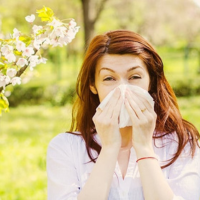
What Is an Allergy? A Simple Explanation
An allergy is the immune system’s overreaction to a harmless substance. These substances are called allergens. The immune system mistakenly identifies them as dangerous threats. It then releases chemicals — mainly histamines — that cause allergic reactions.
Common allergens include:
- Pollen from trees, grasses, and flowers
- Dust mites living in bedding and carpets
- Pet dander from cats, dogs, and other animals
- Certain foods like nuts, dairy, eggs, or shellfish
- Insect stings from bees or wasps
- Mold spores found in damp environments
- Certain medications such as penicillin
Allergies are not always hereditary, but they do tend to run in families. A person with one allergic parent has a higher risk. With two allergic parents, that risk becomes even greater.
Common Types of Allergies Explained Clearly
Understanding allergy types helps people seek the right treatment. Homoeopathic doctors at Darul Shifa Homoeopathic Clinic assess the type of allergy carefully before prescribing any remedy.
1. Allergic Rhinitis (Hay Fever)
Allergic rhinitis affects the nose, eyes, and throat. It is triggered by airborne allergens like pollen or dust. Symptoms appear seasonally or all year round, depending on the trigger.
Common symptoms include:
- Constant sneezing and nasal congestion
- Watery, itchy, or red eyes
- Itching in the nose or throat
- Postnasal drip causing throat irritation
2. Skin Allergies
Skin allergies manifest as rashes, hives, or eczema. Contact with certain substances triggers them directly. Some foods also cause skin reactions in sensitive individuals.
Common skin allergy symptoms include:
- Red, inflamed, or itchy patches of skin
- Hives (raised welts on the skin surface)
- Eczema (dry, scaly, and cracked skin)
- Swelling or burning sensation on the skin
3. Food Allergies
Food allergies affect millions of people globally. The immune system reacts to specific proteins found in food. Reactions can range from mild to life-threatening.
Foods most commonly associated with allergies:
- Tree nuts and peanuts
- Milk, eggs, and wheat
- Shellfish, fish, and soybeans
- Sesame seeds and mustard
4. Drug Allergies
Some people react adversely to certain medicines. Penicillin is the most well-known culprit. Drug allergies can cause rashes, breathing difficulties, or severe anaphylaxis.
5. Insect Sting Allergies
Bee stings or wasp stings cause strong reactions in allergic individuals. Localised swelling is common. Severe cases may lead to anaphylactic shock, which requires emergency care.
6. Asthma and Respiratory Allergies
Asthma is often allergy-related. Airborne allergens trigger inflammation in the airways. This leads to wheezing, chest tightness, and difficulty breathing.
Symptoms of Allergies: What to Watch For
Allergy symptoms vary depending on the type of allergen and the affected person. However, some signs are common across different allergy categories.

General allergy symptoms include:
- Persistent sneezing and runny nose
- Watery or swollen eyes
- Skin redness, rashes, or hives
- Coughing, wheezing, or shortness of breath
- Stomach cramps, nausea, or vomiting (in food allergies)
- Fatigue and general body weakness
- Swelling of lips, tongue, or throat
Symptoms can be mild, moderate, or severe. They sometimes worsen with repeated exposure to the same allergen. Ignoring them can lead to chronic allergic conditions over time.
When to Seek Professional Help for Allergies
Many people ignore mild allergy symptoms. They take over-the-counter antihistamines and carry on. However, this only suppresses the problem temporarily. The root cause remains untreated.
It is important to consult a qualified homoeopathic doctor when:
- Symptoms persist for more than two weeks
- Over-the-counter medicines stop providing relief
- Symptoms are getting worse over time
- Sleep and daily activities are being affected
- Skin conditions are spreading or becoming severe
- Digestive issues are accompanying allergy symptoms
Patients experiencing any of these signs are encouraged to book a consultation with Dr. Kashif Zia at Darul Shifa Homoeopathic Clinic. Dr. Kashif Zia provides personalised homoeopathic treatment plans that address the root cause of allergy — not just the surface symptoms. Early consultation leads to faster and more effective recovery.
How Homoeopathy Treats Allergies Differently
Conventional medicine focuses on blocking histamines or suppressing the immune response. This provides quick but short-term relief. Homoeopathy takes a completely different approach.
Homoeopathy works by:
- Stimulating the body’s own healing mechanisms
- Gradually desensitising the immune system to allergens
- Treating the whole person — physical, emotional, and mental
- Addressing individual triggers rather than general symptoms
- Avoiding harmful side effects that come with long-term drug use
Homoeopathic remedies are derived from natural substances. They are prepared through serial dilution and succussion (vigorous shaking). This process makes them potent yet completely safe — even for infants and pregnant women.
The homoeopathic approach sees allergy as a constitutional weakness. It does not see it as a mere reaction to an external trigger. Therefore, treatment goes deeper and results last much longer.
Top Homoeopathic Remedies for Allergy Relief
Homoeopathic doctors choose remedies based on each patient’s specific symptoms and constitution. However, some common remedies are widely known to help with allergies.
Allium Cepa
Prepared from red onion, Allium Cepa works beautifully for hay fever. It addresses profuse watery discharge from the nose and eyes. Symptoms tend to worsen indoors and improve in open air.
Arsenicum Album
This remedy suits individuals with burning nasal discharge. The nose runs constantly yet the patient feels blocked. There is also extreme restlessness and anxiety with allergy symptoms.
Natrum Muriaticum
Natrum Mur is helpful when sneezing comes in bursts. The discharge is clear and watery, like egg white. This remedy is especially useful in chronic cases of allergic rhinitis.
Apis Mellifica
Prepared from bee venom, Apis Mellifica is perfect for skin allergies. It addresses swelling, hives, and burning sensations. Symptoms improve with cold applications and worsen with heat.
Sulphur
Sulphur is a deep-acting constitutional remedy. It suits patients with dry, itchy, and scaly skin. Symptoms tend to worsen at night and with warmth.
Euphrasia Officinalis
Euphrasia is specifically suited for eye-related allergy symptoms. It relieves burning, watery, and irritated eyes. Nasal discharge in Euphrasia cases is milder compared to eye symptoms.
Histaminum Hydrochloricum
This remedy is prepared from histamine itself. It is used to desensitise the body against histamine-related reactions. It is a modern and effective addition to homoeopathic allergy treatment.
Important note: These remedies should always be taken under the guidance of a qualified homoeopathic physician. Self-medication can delay proper treatment and worsen symptoms.
Dietary and Lifestyle Tips to Support Allergy Treatment
Alongside homoeopathic treatment, certain lifestyle changes help manage allergies better. The team at Dar ul Shifa Homoeopathic Clinic advises patients to adopt these healthy habits.
Diet recommendations for allergy patients:
- Increase intake of fresh fruits and vegetables
- Add ginger, turmeric, and honey to daily diet (natural anti-inflammatories)
- Avoid processed foods, artificial colours, and preservatives
- Stay well-hydrated throughout the day
- Eliminate known food triggers for at least four to six weeks
- Eat probiotic-rich foods like yogurt to support gut immunity
Lifestyle changes that help:
- Keep the home environment clean and dust-free
- Use allergen-proof covers on pillows and mattresses
- Bathe pets regularly and keep them out of bedrooms
- Avoid outdoor activities during high pollen seasons
- Use air purifiers in closed rooms
- Wash hands frequently during allergy season
These simple steps work synergistically with homoeopathic treatment. They speed up the healing process and reduce the frequency of allergy episodes.
Why Choose Dar ul Shifa Homoeopathic Clinic for Allergy Treatment
Dar ul Shifa Homoeopathic Clinic has helped numerous patients find lasting relief from allergies. The clinic provides a compassionate, patient-centred approach rooted in classical homoeopathy.
What makes Darul Shifa special:
- Highly experienced and qualified homoeopathic practitioners
- Thorough case-taking process for accurate remedy selection
- Personalised treatment plans tailored to each patient
- Safe, natural, and side-effect-free remedies
- Affordable and accessible consultation services
- Long-term follow-up and patient education
Dr. Kashif Zia and the team at Dar ul Shifa Homoeopathic Clinic are committed to restoring health naturally. Patients looking for expert homoeopathic allergy care are warmly invited to book an appointment with Dr. Kashif Zia today. The clinic welcomes patients of all ages — from newborns to senior citizens.
Children and Allergies: A Special Concern
Children are particularly vulnerable to allergies. Their immune systems are still developing. Exposure to allergens at an early age can create long-term sensitivities.
Common childhood allergies include:
- Milk and egg allergies in infants
- Pollen and dust allergies in school-age children
- Eczema and skin rashes triggered by detergents or fabrics
- Asthma linked to environmental allergens
Homoeopathy is especially suited for children. It is gentle, painless, and free from harsh chemicals. It does not cause drowsiness or other side effects common in conventional antihistamines. Many children show remarkable improvement within weeks of starting homoeopathic treatment.
Allergy Testing: Should It Be Done?
Knowing the exact allergen helps design a more targeted treatment plan. Allergy testing can be done through:
- Skin prick test — allergens are introduced to the skin surface
- Blood test (RAST) — measures IgE antibody levels
- Elimination diet — commonly used for identifying food allergens
- Patch test — used for contact dermatitis
However, even without formal testing, an experienced homoeopathic physician can identify patterns from detailed case-taking. This is one of the strengths of classical homoeopathy.
Seasonal Allergies: Managing Pollen Season Naturally
Spring and autumn are the worst seasons for pollen-sensitive individuals. Trees, grasses, and weeds release millions of pollen particles into the air. This triggers allergic rhinitis in susceptible people.
Tips for surviving pollen season:
- Check daily pollen counts in local weather reports
- Keep windows closed during peak pollen hours (morning)
- Shower and change clothes after coming in from outdoors
- Wear sunglasses to protect eyes from airborne pollen
- Start homoeopathic preventive treatment a month before allergy season
Homoeopathy can also be used preventively. Starting treatment before the peak season reduces symptom severity dramatically. Many patients at Dar ul Shifa Homoeopathic Clinic follow this proactive approach with excellent results.
Frequently Asked Questions (FAQs) About Allergy and Homoeopathy
Q1. Can homoeopathy permanently cure allergies?
Homoeopathy aims to treat the root cause of allergic sensitivity. With a proper constitutional remedy and consistent treatment, many patients experience long-lasting or permanent relief. Results vary depending on the duration and severity of the condition.
Q2. How long does homoeopathic allergy treatment take?
The duration depends on the individual case. Acute allergies may respond within a few days. Chronic cases with a long history may take several months of consistent treatment. Patience is essential with homoeopathic care.
Q3. Is homoeopathy safe for children and pregnant women?
Yes. Homoeopathic remedies are highly diluted and non-toxic. They are completely safe for infants, children, pregnant women, and elderly patients. There are no known harmful interactions with conventional medicines.
Q4. Can homoeopathic medicines be taken with conventional allergy medicines?
Homoeopathic remedies generally do not interfere with conventional medications. However, it is always advisable to inform the homoeopathic doctor about any ongoing treatments. A qualified practitioner will guide appropriately.
Q5. What happens during a homoeopathic consultation for allergies?
The doctor takes a detailed case history covering physical symptoms, emotional state, lifestyle, triggers, and family history. This thorough intake allows the prescription of the most suitable remedy for the individual.
Q6. Are there any side effects of homoeopathic allergy treatment?
Homoeopathic remedies are prepared through high dilutions. They are free from chemical toxicity. Some patients experience a temporary worsening of symptoms — called a “healing aggravation” — before improvement begins. This is generally brief and a positive sign of the remedy working.
Q7. What should be avoided while taking homoeopathic medicines?
Coffee, camphor, mint, and strong aromatic substances are generally advised to be avoided. Specific dietary and lifestyle guidance is provided at Dar ul Shifa Homoeopathic Clinic during consultation.
Q8. Can homoeopathy treat both seasonal and perennial allergies?
Yes. Homoeopathy addresses both seasonal allergies (like hay fever) and year-round (perennial) allergies caused by dust mites, mold, or pet dander. The treatment approach is tailored to the specific trigger and patient profile.
Q9. How do I book an appointment at Dar ul Shifa Homoeopathic Clinic?
Patients can visit the clinic’s official website at darulshifahomoeopathicclinic.com to book a consultation with Dr. Kashif Zia. The clinic provides compassionate, expert care for all types of allergic conditions.
Q10. Does homoeopathy work for asthma triggered by allergies?
Yes. Homoeopathy has a strong track record in managing allergic asthma. Remedies like Arsenicum Album, Natrum Sulphuricum, and Lobelia Inflata are commonly used. Treatment significantly reduces the frequency and severity of asthma attacks over time.
Conclusion: Choose Natural Healing for Lasting Allergy Relief
Allergies do not have to control life. With the right approach, people can enjoy every season without fear of sneezing, itching, or wheezing. Homoeopathy offers a time-tested, science-backed, and deeply effective path to allergy relief.
At Dar ul Shifa Homoeopathic Clinic, every patient receives thorough care tailored to their unique health profile. The goal is not just to manage symptoms — it is to restore true and lasting well-being.
Those who are tired of temporary relief and want a natural, lasting solution are encouraged to explore homoeopathy. Book an appointment with Dr. Kashif Zia at Dar ul Shifa Homoeopathic Clinic today and take the first step toward a healthier, allergy-free life.
This article is intended for educational and informational purposes only. The content provided does not constitute medical advice, diagnosis, or treatment. Every individual’s health situation is unique, and the information presented should not be used as a substitute for professional medical guidance. For the assessment, diagnosis, and treatment, please consult a qualified medical professional.

Leave a Reply