

Internal Health: Guide to Whole-Body Wellness
Internal health refers to how well the organs inside the body work together. It includes the stomach, liver, kidneys, intestines, and more. When these systems function smoothly, a person generally feels strong and energetic. When something goes wrong internally, the effects often show up everywhere else.
Many people only think about health when symptoms become obvious. By then, an internal imbalance may have existed for months. Understanding internal health early helps prevent bigger problems later. This guide explains what internal health really means and why it matters so much.
What Does Internal Health Actually Mean?
Internal health covers the proper functioning of organs hidden from view. The digestive system, liver, kidneys, and circulatory system all fall under this category. These organs constantly work together, even when a person feels completely fine.
The digestive system breaks down food and absorbs essential nutrients. The liver filters toxins and supports metabolism throughout the day. The kidneys remove waste and balance fluids within the body. When any of these systems weaken, the whole body feels the impact.
Good internal health isn’t just the absence of disease. It means every internal system performs its job efficiently. This balance supports energy levels, mental clarity, and long-term physical resilience. If you feel unusually tired, bloated, or unwell for weeks, it’s worth booking an appointment with Dr. Kashif Zia for a proper evaluation.
Why Internal Health Deserves More Attention
Most people focus on visible health concerns like skin or weight. Internal health, however, often gets overlooked until symptoms become severe. This is unfortunate, since many internal issues develop slowly and silently.
A sluggish digestive system can cause fatigue long before pain appears. A struggling liver may show no symptoms until function drops significantly. By the time discomfort becomes obvious, the underlying issue has often existed for a while.
Paying attention to subtle changes makes a real difference. Mild bloating, occasional nausea, or unexplained tiredness shouldn’t be ignored. These signals often point toward deeper internal imbalances that need attention.
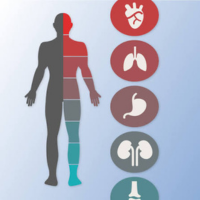
Common Signs of Poor Internal Health
The body usually gives warning signs before internal problems become serious. Recognising these signs early allows for timely treatment and better outcomes.
Persistent Digestive Discomfort
Frequent bloating, gas, or stomach cramps often signal digestive trouble. Occasional discomfort is normal, but persistent symptoms are not. This pattern suggests the digestive system needs proper evaluation.
Unexplained Fatigue
Feeling tired despite adequate sleep can point to internal imbalance. The liver, kidneys, or digestive system may be working inefficiently. Chronic fatigue deserves attention rather than being dismissed as normal tiredness.
Changes in Appetite or Weight
Sudden weight changes without diet or lifestyle changes raise concern. This often relates to digestive, metabolic, or hormonal imbalances internally. Tracking these changes helps identify patterns worth discussing with a doctor.
Skin Issues Linked to Internal Imbalance
Skin often reflects what’s happening inside the body. Breakouts, dullness, or rashes sometimes trace back to digestive or liver issues. Treating only the skin rarely solves problems rooted internally.
Irregular Bowel Movements
Constipation or frequent loose stools both signal digestive imbalance. This affects nutrient absorption and overall comfort significantly. Long-term irregularity should never be ignored or normalised.
Frequent Headaches or Brain Fog
Internal toxin buildup sometimes contributes to recurring headaches. Poor liver or kidney function can affect mental clarity too. Addressing the internal cause often resolves these symptoms naturally.
Joint and Muscle Discomfort
Inflammation linked to internal imbalance can affect joints and muscles. This connection surprises many people who assume the pain is purely physical. A whole-body approach often reveals the true underlying cause.
If several of these signs sound familiar, it may be time to act. Don’t wait for symptoms to worsen before seeking guidance. Booking an appointment with Dr. Kashif Zia ensures proper assessment and a personalised path toward recovery.
Key Organs Involved in Internal Health
Several major organs work continuously to maintain internal balance. Understanding their roles helps explain why internal health matters so deeply.
The Digestive System
The stomach and intestines break down food into usable nutrients. They also play a major role in immune function and energy levels. Imbalances here often trigger symptoms felt throughout the entire body.
The Liver
The liver filters blood, processes nutrients, and removes harmful toxins. It supports metabolism, hormone balance, and overall energy production. A struggling liver can lead to fatigue, skin issues, and digestive trouble.
The Kidneys
The kidneys filter waste products and regulate fluid balance daily. They also help control blood pressure and maintain mineral levels. Poor kidney function often causes swelling, fatigue, and changes in urination.
The Intestinal Flora
Trillions of bacteria live within the digestive tract naturally. This microbiome influences digestion, immunity, and even mood regulation. An imbalanced gut flora often contributes to widespread internal discomfort.
The Circulatory System
Blood vessels deliver oxygen and nutrients to every organ continuously. Poor circulation can affect energy levels and organ performance overall. Supporting circulation supports nearly every other internal system simultaneously.
Common Causes Behind Internal Health Problems
Internal imbalances rarely appear without a clear underlying cause. Identifying these causes helps guide effective, lasting treatment.
Poor Dietary Habits
Processed foods, excess sugar, and irregular eating patterns strain digestion. Over time, this weakens the digestive system and liver function. Consistent poor eating habits are among the leading causes of internal imbalance.
Chronic Stress
Stress affects digestion, hormone balance, and immune function significantly. Long-term stress keeps the body in a constant alert state. This drains internal resources and disrupts normal organ function gradually.
Inadequate Hydration
Water supports digestion, circulation, and kidney function every single day. Chronic dehydration forces organs to work harder than necessary. This added strain contributes to fatigue and digestive discomfort over time.
Sedentary Lifestyle
Limited physical activity slows digestion and weakens circulation. Movement helps internal organs function efficiently and stay healthy. A sedentary routine often worsens existing internal imbalances steadily.
Environmental Toxin Exposure
Pollutants, chemicals, and preservatives add extra burden to the liver. The body works continuously to filter and remove these substances. Reducing exposure where possible supports better internal health overall.
Untreated Minor Symptoms
Ignoring small symptoms allows underlying issues to develop further. What starts as mild bloating can progress into chronic digestive trouble. Early attention prevents minor issues from becoming major health concerns.

How Homoeopathy Supports Internal Health
Homoeopathy takes a whole-body approach rather than treating isolated symptoms. This makes it particularly suited to internal health concerns. The goal is restoring natural balance across all affected systems.
Personalised Treatment Plans
Every patient receives an individualised assessment before treatment begins. Homoeopathic remedies are selected based on specific symptoms and patterns. This personalised approach addresses root causes rather than surface symptoms alone.
Gentle, Natural Remedies
Homoeopathic remedies use highly diluted natural substances. This approach is generally gentle on the body and digestive system. Many patients appreciate this natural alternative to harsher conventional options.
Focus on Root Causes
Rather than masking symptoms temporarily, homoeopathy looks deeper. Treatment aims to correct the underlying imbalance causing discomfort. This often leads to longer-lasting relief and improved overall wellbeing.
Support for Multiple Systems Simultaneously
Since internal health involves several connected organs, treatment considers them together. A digestive issue might also involve liver or stress-related factors. Homoeopathic care often addresses these interconnected causes at once.
What to Expect During an Internal Health Consultation
Understanding the consultation process helps patients feel more prepared. Most homoeopathic internal health visits follow a similar pattern.
Detailed History and Discussion
The doctor begins by discussing symptoms, lifestyle, and medical history thoroughly. This conversation reveals patterns that point toward underlying causes. Patients should feel comfortable sharing complete and honest details.
Physical Assessment
A general physical assessment helps confirm or rule out specific concerns. This may include checking for visible signs related to reported symptoms. The assessment supports an accurate, personalised treatment recommendation.
Personalised Remedy Selection
Based on the consultation, the doctor selects an appropriate remedy. This choice reflects the patient’s unique symptoms and overall constitution. No two patients typically receive identical treatment plans.
Lifestyle and Dietary Guidance
Alongside remedies, doctors often suggest helpful lifestyle adjustments. This might include dietary changes, hydration habits, or stress management tips. These recommendations support and strengthen the remedy’s overall effectiveness.
Follow-Up and Monitoring
Internal health improvement often takes time and consistent monitoring. Follow-up visits track progress and allow treatment adjustments as needed. This ongoing support helps ensure lasting, sustainable results.
Everyday Habits That Support Internal Health
Alongside professional care, daily habits play a major supporting role. Small, consistent changes often create meaningful internal health improvements.
Eat Whole, Balanced Meals
Fresh fruits, vegetables, and whole grains support digestive function naturally. Reducing processed food intake eases strain on the digestive system. Balanced meals provide steady energy throughout the day.
Stay Consistently Hydrated
Drinking adequate water supports digestion, circulation, and kidney function. Carrying a water bottle helps maintain consistent hydration throughout the day. This simple habit benefits nearly every internal system.
Prioritise Quality Sleep
Sleep allows the body to repair and regulate internal processes. Poor sleep disrupts digestion, hormone balance, and immune function. Aiming for consistent, quality sleep supports overall internal health significantly.
Manage Stress Proactively
Relaxation techniques like deep breathing reduce stress-related internal strain. Regular breaks and mindful pauses help regulate the nervous system. Managing stress proactively protects digestive and hormonal balance.
Stay Physically Active
Regular movement supports digestion, circulation, and metabolic function. Even short daily walks contribute meaningfully to internal health. Consistency matters more than intensity for lasting benefit.
Limit Unnecessary Toxin Exposure
Choosing natural products where possible reduces the liver’s workload. Minimising processed food and excess alcohol also supports internal balance. These small choices add up to significant long-term benefits.
When to Seek Professional Help
Some symptoms genuinely require professional medical attention without delay. Recognising these situations helps prevent complications from developing further.
Persistent pain lasting more than a few days needs evaluation. Significant unexplained weight loss should never be ignored or delayed. Ongoing fatigue that doesn’t improve with rest deserves a proper assessment.
Digestive symptoms lasting several weeks point toward something needing attention. Recurring skin issues tied to internal discomfort also warrant a consultation. When in doubt, professional guidance offers clarity and peace of mind.
Why Choose Dar ul Shifa Homoeopathic Clinic for Internal Health
Dar ul Shifa Homoeopathic Clinic specialises in whole-body internal health care. The clinic takes every patient’s concerns seriously, no matter how minor they seem. Each treatment plan reflects careful evaluation and genuine personal attention.
Dr. Kashif Zia brings twenty years of clinical experience to every consultation. His approach combines careful diagnosis with compassionate, patient-focused care. Thousands of satisfied patients have trusted his guidance over the years.
The clinic offers both in-person and online consultations for convenience. Patients can visit the clinic in Dina, Jhelum, or connect remotely. This flexibility ensures everyone receives timely care regardless of location.
Frequently Asked Questions
What exactly is internal health?
Internal health refers to how well organs like the stomach, liver, and kidneys function. These systems work together to maintain overall energy and wellbeing. Good internal health supports nearly every aspect of daily life.
What are early signs of poor internal health?
Common early signs include fatigue, bloating, irregular digestion, and skin issues. Headaches and unexplained discomfort can also signal internal imbalance. Noticing these signs early allows for timely, effective treatment.
Can homoeopathy really help with internal health issues?
Yes, homoeopathy focuses on restoring natural balance across internal systems. Many patients report meaningful improvement in digestion, energy, and overall wellbeing. Treatment is personalised based on each patient’s specific symptoms.
How long does homoeopathic treatment for internal health take?
Treatment duration varies depending on the condition and its severity. Some patients notice improvement within a few weeks of starting treatment. Chronic or long-standing issues may require a longer, consistent treatment plan.
Is homoeopathic treatment safe for internal health concerns?
Homoeopathic remedies are generally considered gentle and well-tolerated by most patients. They are selected individually based on each patient’s specific symptoms. A qualified doctor should always guide diagnosis and treatment.
Should I see a doctor for mild digestive discomfort?
Occasional mild discomfort is often normal and not immediately concerning. However, persistent or recurring symptoms deserve proper medical attention. Early evaluation helps prevent minor issues from becoming bigger problems.
How can I book a consultation at Dar ul Shifa Clinic?
Appointments can be booked online through the clinic’s official website. Patients can also call or message the clinic directly to schedule a visit. Both in-person and online consultations are currently available.
Experiencing ongoing fatigue, digestive trouble, or other internal health concerns? Don’t wait for symptoms to worsen. Book an appointment with Dr. Kashif Zia at Dar ul Shifa Homoeopathic Clinic today and take the first step toward lasting wellness.
This article is intended for educational and informational purposes only. The content provided does not constitute medical advice, diagnosis, or treatment. Every individual’s health situation is unique, and the information presented should not be used as a substitute for professional medical guidance. For the assessment, diagnosis, and treatment, please consult a qualified medical professional.

Leave a Reply