

What Is Acidity?
Acidity is one of the most common digestive complaints worldwide. It affects people of all ages, from teenagers to senior citizens. The condition causes significant discomfort and disrupts everyday life.
The stomach naturally produces acid to digest food. However, when it produces too much acid, the result is acidity. This excess acid irritates the stomach lining and the oesophagus. It causes a burning sensation in the chest and throat.
Acidity is often dismissed as a minor issue. But when left untreated, it can develop into serious conditions. These include gastroesophageal reflux disease (GERD), ulcers, and oesophageal damage. Understanding acidity fully is the first step toward effective management.
If someone is experiencing persistent acidity or digestive discomfort, they should not ignore the signs. Book Your Appointment Now with Dr. Kashif Zia at Dar ul Shifa Homoeopathic Clinic is a smart and timely decision. Natural homoeopathic treatment addresses the root cause — not just the symptoms.
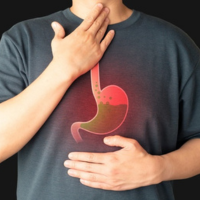
How the Stomach Produces Acid
The stomach contains glands that secrete hydrochloric acid (HCl). This acid plays a vital role in digestion. It breaks down food and kills harmful bacteria entering the body.
The stomach lining is protected by a mucus layer. This layer prevents acid from damaging stomach walls. However, when acid production increases abnormally, this protection breaks down. The result is irritation, inflammation, and pain.
The lower oesophageal sphincter (LES) is a valve between the stomach and oesophagus. It prevents acid from travelling upward. When the LES weakens or relaxes abnormally, acid reflux occurs. This is the primary mechanism behind acidity and heartburn.
Common Causes of Acidity
Acidity does not happen without reason. Several lifestyle, dietary, and medical factors trigger excess acid production. Understanding these causes empowers patients to make positive changes.
Unhealthy Dietary Habits
Certain foods are well-known triggers for acidity. These include:
- Spicy and fried foods
- Citrus fruits like oranges and lemons
- Tomatoes and tomato-based products
- Chocolate and caffeine
- Carbonated beverages and alcohol
- Fatty and oily meals
- Onions and garlic in large quantities
Eating large meals at one time also overwhelms the stomach. It forces more acid production to digest the excess food.
Irregular Eating Patterns
Skipping meals or eating at odd hours disturbs the digestive rhythm. An empty stomach produces acid that has nothing to act upon. This irritates the stomach lining and causes acidity. Eating very late at night is another common trigger.
Obesity and Excess Body Weight
Excess abdominal fat puts pressure on the stomach. This pressure pushes acid upward into the oesophagus. Obese individuals experience acidity far more frequently than those at a healthy weight.
Stress and Anxiety
The gut and brain share a strong connection. Emotional stress directly affects digestive function. Stress increases acid production and slows digestion simultaneously. This creates a perfect environment for acidity to develop.
Smoking and Alcohol Consumption
Smoking weakens the lower oesophageal sphincter. Alcohol irritates the stomach lining and increases acid secretion. Both habits significantly worsen existing acidity.
Certain Medications
Some commonly used medications trigger acidity as a side effect. These include:
- Non-steroidal anti-inflammatory drugs (NSAIDs) like ibuprofen
- Aspirin
- Certain antibiotics
- Blood pressure medications
- Iron supplements
Patients taking these medicines long-term should monitor their digestive health closely.
Pregnancy
Pregnant women commonly experience acidity. Hormonal changes relax the LES during pregnancy. The growing uterus also puts physical pressure on the stomach. These factors together cause frequent acid reflux in expecting mothers.
Helicobacter Pylori Infection
H. pylori is a bacterial infection affecting the stomach lining. It is a significant cause of chronic acidity, gastritis, and peptic ulcers. This infection requires proper diagnosis and targeted treatment.
Recognising the Symptoms of Acidity
The symptoms of acidity range from mild discomfort to severe pain. Patients should recognise these signs early for timely management.
Common symptoms include:
- A burning sensation in the chest (heartburn)
- Sour or bitter taste in the mouth
- Belching and burping frequently
- Bloating and a feeling of fullness
- Nausea, especially after meals
- Regurgitation of food or liquid into the throat
- Difficulty swallowing in chronic cases
- Hoarseness or a sore throat in the morning
- Bad breath (halitosis)
- Hiccups that are difficult to stop
- Chest pain that mimics heart discomfort
Many patients mistake acidity-related chest pain for a heart problem. A proper diagnosis always helps rule out serious cardiac conditions.
Types of Acidity-Related Conditions
Acidity is an umbrella term for several related digestive disorders. Each has its unique characteristics and treatment approach.
Gastroesophageal Reflux Disease (GERD)
GERD is a chronic form of acid reflux. It occurs when acid frequently flows back into the oesophagus. Over time, this damages the oesophageal lining. GERD requires consistent management to prevent complications.
Peptic Ulcers
Peptic ulcers are open sores on the stomach lining or upper small intestine. They develop when acid erodes the protective mucus layer. H. pylori infection and long-term NSAID use are common causes.
Gastritis
Gastritis is inflammation of the stomach lining. It causes bloating, nausea, and burning pain in the upper abdomen. Alcohol, infections, and stress are common triggers.
Barrett’s Oesophagus
This is a serious complication of long-term GERD. The oesophageal lining changes abnormally due to prolonged acid exposure. It increases the risk of oesophageal cancer if untreated.
Functional Dyspepsia
Also called indigestion, this condition causes upper abdominal discomfort without any structural abnormality. Stress, diet, and H. pylori are common contributing factors.
Risk Factors for Developing Acidity
Certain individuals are more prone to developing acidity. Identifying risk factors allows for preventive action.
- Age above 40 years
- Sedentary lifestyle with little physical activity
- High-stress professional or personal environments
- Diet heavy in processed or packaged foods
- Regular use of pain-relieving medications
- Family history of GERD or peptic ulcers
- Wearing tight clothing around the abdomen
- Lying down immediately after eating
People with multiple risk factors benefit greatly from proactive lifestyle changes and natural treatment support.
Diagnosing Acidity: What Doctors Look For
Diagnosis helps confirm the cause and severity of acidity. A healthcare provider typically conducts:
- Medical history review: Evaluating symptoms, diet, medications, and lifestyle
- Physical examination: Checking for abdominal tenderness
- Endoscopy: A camera procedure to view the oesophagus and stomach lining directly
- pH monitoring: Measuring acid levels in the oesophagus over 24 hours
- H. pylori test: A breath test, stool test, or biopsy to detect bacterial infection
- Barium swallow X-ray: Tracking how food moves through the digestive tract
Accurate diagnosis ensures the correct treatment approach is selected. Homoeopathic practitioners also conduct a detailed case history. This helps identify the root cause in each individual patient.
How Homoeopathy Treats Acidity Naturally
Homoeopathy is a deeply effective system for treating acidity. It goes beyond suppressing symptoms. It addresses the underlying imbalances in the body that cause excess acid production.
Homoeopathic medicines are derived from natural plant, mineral, and animal sources. They are prepared through a process called potentisation. This makes them highly effective and completely free from toxic side effects.
Patients who rely on antacids for long periods often develop dependency. Antacids neutralise acid temporarily but do not address the cause. Homoeopathy, on the other hand, restores the body’s natural digestive balance permanently.
Key benefits of homoeopathic treatment for acidity include:
- No side effects or dependency risk
- Treatment tailored to the individual’s unique symptoms
- Addresses physical as well as emotional triggers
- Safe for pregnant women, children, and elderly patients
- Promotes overall digestive health, not just symptom relief
Top Homoeopathic Remedies for Acidity
Experienced homoeopathic doctors select remedies based on each patient’s specific symptom pattern. Some commonly used and highly effective remedies include:
Nux Vomica
This is one of the most frequently prescribed remedies for acidity. It suits individuals who overeat, consume alcohol, or live high-stress lives. Symptoms include heartburn, nausea, and bloating after meals.
Natrum Phosphoricum
This remedy works well for acidity with a sour taste in the mouth. It helps neutralise excess acid naturally within the body.
Robinia Pseudacacia
Robinia is highly effective for acidity with intense heartburn. It suits patients whose symptoms worsen at night while lying down.
Lycopodium Clavatum
This remedy benefits patients with bloating and gas alongside acidity. It is especially useful for individuals with liver-related digestive issues.
Pulsatilla Nigricans
Pulsatilla suits acidity triggered by rich, fatty, or fried foods. It benefits patients who feel worse in warm rooms and better with fresh air.
Carbo Vegetabilis
This remedy is ideal for severe bloating with acidity. Patients feel heaviness and fullness even after eating small amounts.
Arsenicum Album
Arsenicum suits acidity accompanied by anxiety and burning pains. The burning improves with warm drinks in these patients.
Phosphorus
This remedy benefits patients with acidity and vomiting of food soon after eating. It suits individuals who crave cold water but vomit it once it warms in the stomach.
Dietary Tips for Managing Acidity
Diet plays a crucial role in controlling acidity. The right food choices can dramatically reduce symptoms.
Foods to eat regularly:
- Bananas and melons (alkaline fruits)
- Oatmeal and whole grains
- Ginger and fennel (natural digestive aids)
- Green vegetables like broccoli and cucumber
- Coconut water and buttermilk
- Low-fat dairy products in moderation
- Lean proteins like chicken and fish
Foods to avoid strictly:
- Spicy curries and hot sauces
- Citrus juices and fizzy drinks
- Coffee and black tea
- Chocolate and mint
- Processed snacks and fast food
- Red meat and heavy fried meals
- Alcohol in all forms
Small, frequent meals are better than large, infrequent ones. Eating slowly and chewing food thoroughly also reduces acidity significantly.
Lifestyle Modifications That Prevent Acidity
Simple daily habits make a significant difference in managing acidity long-term.
Sleep with the head elevated: Raising the head of the bed by 6–8 inches prevents nighttime acid reflux.
Avoid lying down after meals: Patients should wait at least two to three hours before lying down after eating.
Maintain a healthy weight: Losing even a small amount of weight reduces pressure on the stomach.
Quit smoking: Stopping smoking strengthens the lower oesophageal sphincter over time.
Wear loose clothing: Tight belts and waistbands increase abdominal pressure and worsen reflux.
Practise stress management: Yoga, meditation, and deep breathing exercises reduce stress-induced acidity.
Exercise regularly: Moderate physical activity improves digestion and reduces weight, both of which help control acidity.
Acidity in Children: A Growing Concern
Acidity is increasingly common in children and adolescents. Poor dietary habits, excessive junk food consumption, and academic stress contribute significantly.
Children may express acidity differently from adults. They may complain of stomach aches, refuse food, or show signs of irritability after meals. Parents should watch for these signs and seek timely medical advice.
Homoeopathy is particularly suitable for children with acidity. Remedies are gentle, safe, and free from the harsh effects of chemical antacids.
Acidity vs. Heart Attack: Knowing the Difference
Many patients confuse acidity-related chest pain with a heart attack. Both can cause significant chest discomfort. However, there are key differences:
Acidity chest pain:
- Burns or stings in the chest or throat
- Worsens after meals or when lying down
- Often accompanied by a sour taste or belching
- Improves with antacids or upright posture
Heart attack symptoms:
- Pressure or squeezing in the chest
- Pain spreading to the arm, jaw, or shoulder
- Accompanied by sweating, dizziness, or breathlessness
- Does not improve with antacids
When in doubt, patients should always seek emergency medical attention. It is always better to be safe.
Frequently Asked Questions (FAQs)
Q1: Is acidity the same as heartburn?
Heartburn is one of the most common symptoms of acidity. Acidity is the broader condition of excess stomach acid production. Heartburn specifically refers to the burning sensation in the chest caused by acid reflux.
Q2: Can homoeopathy permanently cure acidity?
Homoeopathy treats the root cause of acidity rather than just suppressing symptoms. Many patients achieve long-term relief and even complete resolution with consistent homoeopathic treatment. Results depend on the individual’s condition, lifestyle, and commitment to treatment.
Q3: How long does homoeopathic treatment for acidity take?
Mild acidity often responds within a few weeks of homoeopathic treatment. Chronic conditions like GERD or recurring gastritis may take several months. Regular follow-ups with the homoeopathic doctor ensure the treatment is on track.
Q4: Are antacids harmful if taken daily?
Long-term use of antacids can lead to several issues. These include dependency, nutrient malabsorption, and rebound acidity. Homoeopathy is a safer long-term alternative that corrects the underlying problem.
Q5: Can acidity cause weight loss?
Chronic acidity, especially when linked to conditions like GERD or peptic ulcers, can cause reduced appetite and unintentional weight loss. Patients experiencing weight loss alongside acidity should consult a doctor promptly.
Q6: Is acidity during pregnancy dangerous?
Acidity during pregnancy is very common and generally not dangerous. However, severe or persistent symptoms should be evaluated by a doctor. Homoeopathic remedies are completely safe during pregnancy and provide effective relief.
Q7: What is the best natural remedy for instant acidity relief?
Drinking a glass of cold milk, eating a ripe banana, or sipping coconut water can provide quick temporary relief from acidity. For lasting results, a proper homoeopathic treatment plan is recommended.
Q8: How does stress cause acidity?
Stress activates the body’s fight-or-flight response. This increases cortisol levels, which in turn stimulates more acid production in the stomach. Chronic stress also slows digestion, allowing acid to stay in the stomach longer and cause irritation.
Conclusion: Choose Natural Relief Over Quick Fixes
Acidity is a widespread but very manageable condition. With the right approach, patients can achieve lasting comfort and restored digestive health. Homoeopathy offers a complete, safe, and highly personalized solution for acidity at every stage.
Temporary fixes like antacids may provide short-term comfort. However, they do not address the underlying cause. Homoeopathic treatment restores the body’s natural balance and prevents recurrence over time.
Anyone struggling with recurring acidity, heartburn, bloating, or digestive discomfort deserves real and lasting relief. Book an appointment today with Dr. Kashif Zia at Dar ul Shifa Homoeopathic Clinic — darulshifahomoeopathicclinic.com. A healthier, pain-free digestive life is just one consultation away.
This article is for informational purposes only. It is not a substitute for professional medical advice, diagnosis, or treatment. Always consult a qualified healthcare professional for personal health concerns.

Leave a Reply