

Many people complain about an aching lower back. Few connect it to their digestive health. Yet constipation and back pain are often linked. Understanding this connection can help people find real relief.
This article explains how constipation can trigger back pain. It also explores why this happens and what can be done about it. Readers will find practical tips, home remedies, and homoeopathic insights throughout.
A Quick Look at Constipation
Constipation is a common digestive problem. It happens when bowel movements become infrequent or difficult. Stools may become hard, dry, and tough to pass. Some people go days without a proper bowel movement.
This condition affects people of all ages. Children, adults, and elderly individuals can all experience it. Diet, hydration, stress, and lifestyle habits all play a role. Sedentary routines and processed foods often make it worse.
When constipation becomes chronic, it can affect overall health. It may lead to discomfort, bloating, and fatigue. In many cases, it can also cause unexpected pain elsewhere. Back pain is one such surprising symptom.
If anyone experiences persistent constipation along with back pain, it should not be ignored. These symptoms together may indicate an underlying issue. Booking an appointment with Dr. Kashif Zia at Dar ul Shifa Homoeopathic Clinic can help. He can assess the root cause and suggest a natural treatment plan.
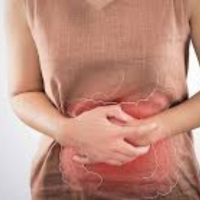
How Constipation Can Lead to Back Pain
Many people are surprised to learn about this connection. The digestive system and the back are closely related. Several mechanisms explain why constipation may cause back pain.
Pressure on the Lower Back Muscles
When the colon becomes full of stool, it expands. This expansion puts pressure on nearby muscles. The lower back muscles sit very close to the colon. Increased pressure can cause these muscles to ache.
This pressure often feels like a dull, constant ache. It may worsen when sitting for long periods. Standing up or moving around might bring slight relief. However, the discomfort often returns quickly.
Nerve Irritation
The intestines and spine share some nerve pathways. When the bowel is overly full, nerves can become irritated. This irritation may send pain signals to the lower back. The brain sometimes interprets gut pain as back pain.
This is known as referred pain. It happens because nerve signals get confused. The actual problem is in the gut. Yet the person feels it in their back.
Muscle Tension During Straining
Many people strain hard during constipation. This straining puts stress on core muscles. The lower back muscles work overtime during this process. Over time, this can lead to muscle fatigue and pain.
Repeated straining may also affect posture. Poor posture during bowel movements adds extra strain. This combination often results in noticeable back discomfort.
Bloating and Abdominal Distension
Constipation often causes bloating and gas buildup. A swollen abdomen changes the body’s center of gravity. This shift can place extra strain on the lower back. The spine may compensate by adjusting its natural curve.
Over time, this compensation can cause stiffness and pain. People may notice their back feels tight after meals. This tightness often worsens as bloating increases.
Common Symptoms That Often Appear Together
Recognizing related symptoms can help confirm the connection. Constipation and back pain often appear with other signs. Being aware of these patterns helps with early action.
- Dull, aching pain in the lower back
- Bloating or a feeling of fullness
- Infrequent or hard bowel movements
- Straining during bathroom visits
- Cramping in the lower abdomen
- Fatigue or low energy levels
- Reduced appetite or feeling overly full
If several of these symptoms appear together, the digestive system may be the cause. Addressing constipation often helps reduce the related back pain too.
Other Digestive Issues That Cause Back Pain
Constipation is not the only digestive problem linked to back pain. Several other conditions can produce similar effects. Understanding these helps with accurate diagnosis.
Irritable Bowel Syndrome (IBS)
IBS often causes alternating constipation and diarrhea. Many IBS sufferers also report lower back pain. The exact cause is not fully understood. However, gut inflammation may play a role.
Gas and Bloating Disorders
Excess gas can stretch the intestinal walls. This stretching may press against the spine. People often feel this as a tight, achy sensation. It usually improves once gas is released.
Diverticulitis
This condition involves inflamed pouches in the colon. It can cause severe abdominal and back pain. Diverticulitis requires prompt medical attention. It is more serious than simple constipation.
Pelvic Floor Dysfunction
The pelvic floor muscles support both bowel function and posture. When these muscles become weak or tight, problems arise. Constipation and lower back pain often occur together in such cases.
Who Is More Likely to Experience This Combination?
Certain groups face a higher risk of constipation-related back pain. Recognizing these risk factors can help with prevention.
People With Sedentary Lifestyles
Sitting for long hours slows down digestion. It also weakens core and back muscles. This combination increases the chances of both issues.
Pregnant Women
Hormonal changes during pregnancy often cause constipation. The growing baby also adds pressure to the back. Many pregnant women experience both symptoms together.
Elderly Individuals
Aging slows down bowel movements naturally. Muscle strength also tends to decrease with age. This makes older adults more prone to this combination.
People With Poor Diets
Diets low in fiber often lead to constipation. Processed foods and low water intake make it worse. Over time, this can contribute to chronic back discomfort.
Individuals Under Chronic Stress
Stress affects the digestive system significantly. It can slow down bowel movements. Stress also causes muscle tension, including in the back.
How Homoeopathy Approaches Constipation and Back Pain
Homoeopathy looks at the body as a whole system. It does not treat symptoms in isolation. Instead, it aims to address the root cause of the problem.
At Dar ul Shifa Homoeopathic Clinic, treatment plans are personalized. Each patient’s lifestyle, diet, and symptoms are carefully considered. This holistic approach often leads to long-term relief.
Natural Remedies for Digestive Health
Several homoeopathic remedies are known to support digestion. These remedies aim to restore natural bowel function. They work gently, without harsh side effects.
Commonly used remedies may help with:
- Improving bowel regularity naturally
- Reducing bloating and gas buildup
- Easing abdominal discomfort
- Supporting healthy digestion over time
It is important to consult a qualified homoeopath before starting any remedy. Self-medication is never recommended. Dr. Kashif Zia can guide patients toward the right remedies based on their unique symptoms.
Addressing Back Pain Through Root-Cause Treatment
Rather than masking back pain, homoeopathy looks deeper. If digestion is the underlying cause, treating it can relieve back pain too. This approach avoids dependency on temporary pain relief methods.
Patients often notice improvements in both areas together. As digestion improves, back discomfort frequently reduces as well. This dual benefit makes holistic treatment appealing to many people.
Simple Lifestyle Changes That Can Help
Alongside professional treatment, lifestyle changes play a big role. Small daily adjustments can make a noticeable difference. These changes support both digestive and back health.
Increase Fiber Intake Gradually
Fiber adds bulk to stool and softens it. This makes bowel movements easier and more regular. Fruits, vegetables, and whole grains are great sources.
However, fiber should be increased slowly. Sudden increases can cause bloating or discomfort. Gradual changes allow the digestive system to adjust.
Stay Well Hydrated
Water helps soften stool naturally. It also supports overall digestive function. Most adults should aim for adequate daily water intake.
Herbal teas and soups can also contribute to hydration. Reducing caffeine and sugary drinks may help too.
Move the Body Regularly
Physical activity stimulates bowel movements naturally. It also strengthens core and back muscles. Even a short daily walk can make a difference.
Stretching exercises can relieve back tension as well. Gentle yoga poses often help both digestion and posture.
Practice Good Posture
Sitting and standing posture affects both back and gut health. Slouching compresses the abdomen and spine. This can worsen both constipation and back pain.
Using ergonomic chairs and taking breaks helps. Standing up every hour can reduce stiffness significantly.
Manage Stress Levels
Stress management techniques support overall health. Deep breathing, meditation, and relaxation exercises help. A calmer mind often leads to better digestion.
Reducing stress can also ease muscle tension in the back. This creates a positive cycle for overall wellbeing.
Establish a Regular Bathroom Routine
The body responds well to routine. Trying to use the bathroom at the same time daily helps. Morning, after breakfast, is often a good time.
Avoiding the urge to “hold it in” is important. Delaying bowel movements can worsen constipation over time.
When Back Pain From Constipation Becomes Concerning
Most cases of constipation-related back pain are mild. However, certain signs suggest a need for medical attention. Being aware of these warning signs is important.
People should seek help if they notice:
- Severe or sudden back pain
- Pain accompanied by fever
- Blood in the stool
- Unexplained weight loss
- Pain that does not improve with rest
- Difficulty passing stool for several days
These symptoms may indicate a more serious condition. Early evaluation can lead to faster, more effective treatment. Booking a consultation with a qualified practitioner is always a wise step.
Tips for Long-Term Relief
Long-term relief requires consistency and patience. Quick fixes often provide only temporary results. A combination of approaches usually works best.
Patients are encouraged to track their symptoms. Noting diet, activity, and bowel patterns helps identify triggers. This information can be valuable during consultations.
Combining homoeopathic treatment with healthy habits often produces the best results. The body responds well to gentle, consistent support. Many patients report improvements within a few weeks.
Why Choose Dar ul Shifa Homoeopathic Clinic
Dar ul Shifa Homoeopathic Clinic focuses on natural, holistic healing. The clinic treats each patient as an individual. Symptoms are never viewed in isolation.
Dr. Kashif Zia brings years of experience to every consultation. He carefully listens to each patient’s concerns. Treatment plans are tailored to specific needs and lifestyles.
The clinic aims to address root causes, not just symptoms. This approach often leads to lasting relief. Patients appreciate the gentle, side-effect-free nature of homoeopathy.
For anyone dealing with constipation and back pain together, professional guidance helps. A proper evaluation can clarify the exact cause. From there, a personalized plan can be created.
Frequently Asked Questions (FAQs)
1. Can constipation really cause back pain?
Yes, constipation can cause back pain. A full colon puts pressure on nearby muscles and nerves. This pressure often leads to lower back discomfort.
2. Where is back pain from constipation usually felt?
It is typically felt in the lower back. Some people also feel discomfort in the lower abdomen. The pain often feels dull rather than sharp.
3. How long does constipation-related back pain last?
It usually improves once constipation resolves. For most people, relief comes within a day or two. Chronic constipation may cause recurring discomfort.
4. Can drinking more water help with this issue?
Yes, water helps soften stool naturally. This makes bowel movements easier and less painful. Better hydration can also reduce related back discomfort.
5. Is exercise helpful for constipation and back pain?
Exercise supports healthy digestion and strengthens back muscles. Walking, stretching, and yoga are especially beneficial. Regular movement often reduces both issues.
6. When should someone see a doctor for this problem?
A doctor should be consulted if pain is severe or persistent. Other warning signs include fever, blood in stool, or significant weight loss. Early evaluation is always recommended.
7. Can homoeopathy help with constipation and back pain?
Yes, homoeopathy can help by addressing root causes. It supports natural digestion without harsh side effects. Many patients notice improvements in both symptoms together.
8. Is this combination common during pregnancy?
Yes, it is fairly common during pregnancy. Hormonal changes often cause constipation. The growing baby also adds pressure to the lower back.
9. Can stress make constipation and back pain worse?
Yes, stress affects digestion and muscle tension. It can slow down bowel movements significantly. It may also tighten back muscles, increasing pain.
10. What foods should be avoided to prevent constipation?
Highly processed foods and low-fiber meals should be limited. Excess dairy and fried foods may also contribute. A balanced diet with fiber is recommended instead.
Final Thoughts
Constipation and back pain are more connected than many realize. Understanding this link helps people take better care of themselves. Small lifestyle changes often make a big difference.
For persistent or severe symptoms, professional guidance is essential. Dar ul Shifa Homoeopathic Clinic offers personalized, natural treatment options. Dr. Kashif Zia is available to help patients find lasting relief.
Taking action early can prevent bigger health issues later. A healthy gut often means a healthier back too. Listening to the body’s signals is always worthwhile.
Disclaimer: This article is for informational purposes only and does not constitute medical advice. Please consult a qualified homoeopathic practitioner for diagnosis and treatment.

Leave a Reply