

A fever is one of the most common medical concerns that brings people to the clinic. Whether it is a child waking up hot in the middle of the night or an adult feeling unusually unwell, knowing what a fever means, what causes it, and how to respond makes a real difference. This article covers everything worth knowing about fever — from its definition and causes to treatment options and warning signs that call for medical attention.
1. What Is a Fever? Definition and Normal Temperature Range
A fever is a temporary rise in body temperature that goes higher than normal. It is widely recognised as a sign that the body’s immune system is actively responding to something — often an infection, illness, or another internal trigger. Rather than being a disease itself, fever is typically a symptom of an underlying condition.
Body temperature varies from person to person and even throughout the day. In general, a normal body temperature sits somewhere between 97°F (36.1°C) and 99°F (37.2°C). It is worth noting that temperatures vary depending on the time of day, the measurement site, age, and recent physical activity. For instance, body temperature is usually lower in the morning and tends to rise slightly in the late afternoon and evening.
Most healthcare professionals consider a reading of 100.4°F (38°C) or above to be considered a fever. A low-grade fever generally falls between 100.4°F and 102°F, while a high fever refers to temperatures at or above 103°F (39.4°C). Hyperpyrexia, a dangerously high temperature of 106°F (41.1°C) or more, is a medical emergency.
How the Body Regulates Temperature
The hypothalamus, a small region in the brain, serves as the body’s internal thermostat and is central to temperature regulation. When the body detects an infection or foreign substance, the immune system releases chemical signals called pyrogens. These signals travel to the hypothalamus and instruct it to raise the body’s core temperature, resulting in what is known as a fever. This elevated environment makes it harder for many bacteria and viruses to survive and supports the immune response.
2. Common Causes of Fever
There is a wide range of conditions and circumstances that can cause fever. Understanding the possible causes helps in determining the right course of action.
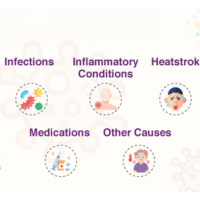
Infections
Infections are by far the most frequent cause of fever. Viral infections such as influenza, the common cold, COVID-19, and mononucleosis are typical culprits. Bacterial infections — including urinary tract infections, pneumonia, strep throat, and tuberculosis — can also cause fever that may be more persistent and serious than those caused by viruses. In less common situations, fungal or parasitic infections may be responsible. Infectious disease specialists often investigate prolonged or unexplained fevers to identify less obvious sources.
Inflammatory Conditions
Certain non-infectious inflammatory conditions can also cause fever. Autoimmune diseases such as rheumatoid arthritis, lupus, and inflammatory bowel disease can produce persistent or recurrent episodes. A periodic fever — one that returns at regular intervals — is sometimes linked to autoinflammatory syndromes, particularly in children.
Medications and Vaccines
Some prescription medications, including certain antibiotics, antihistamines, and seizure medications, can trigger what is known as a drug-induced fever. Vaccines may also cause a mild, short-lived fever as a normal part of the immune system’s response. This type of fever is generally not a cause for concern and resolves within a day or two.
Heat Exhaustion and Heatstroke
Prolonged exposure to high temperatures without adequate hydration can raise the core body temperature to dangerous levels. Unlike a true fever driven by the immune system, this is a failure of temperature regulation caused by the environment.
Other Causes
Additional possible causes include certain cancers such as lymphoma, blood disorders, and post-surgical inflammation. It is important to identify the cause of your fever rather than dismissing it, particularly if it persists or is accompanied by other worsening symptoms.
3. Signs and Symptoms That Accompany Fever
Fever rarely appears on its own. It is usually one symptom within a broader picture. Recognising the accompanying signs helps in assessing how serious the situation may be.
Common symptoms that appear alongside a fever include:
- Chills, shivering, and sweating as the body attempts to regulate heat
- Headache and general muscle aches or joint pain
- Fatigue, weakness, and a lack of energy
- Loss of appetite
- Dehydration, especially if fluids are not being replenished
- Flushed skin that feels warm or hot to the touch
- Difficulty concentrating, and in some cases fever dreams during sleep
In children, a febrile seizure is an important concern. This type of seizure occurs in response to a rapid rise in body temperature and can be frightening to witness. A febrile seizure typically involves the body going stiff, limbs jerking, and sometimes a brief loss of consciousness. While they can be alarming, most febrile seizures are short-lived and do not cause lasting harm. However, if a seizure lasts longer than five minutes or is followed by confusion, breathing difficulties, or repeated episodes, emergency care should be sought immediately.
4. How to Measure a Fever Accurately
Getting an accurate temperature reading is the first practical step in managing a fever. The type of thermometer used and the site of measurement both affect accuracy.
Types of Thermometers
Digital thermometers are among the most reliable and widely used options for home use. They can be used orally, rectally, or under the arm. Ear thermometers (tympanic) measure infrared heat from the eardrum and are quick and convenient. Forehead thermometers scan the temporal artery and are useful for young children, though they can be less accurate in certain conditions. Oral and rectal thermometers are generally considered the gold standard for temperature measurements in clinical settings.
How to Take Temperature in Adults
For an oral temperature reading, place the thermometer tip under the tongue and close the mouth. Wait for the signal before reading the result. Avoid eating, drinking, or exercising for at least 15 minutes before measuring body temperature, as this can affect accuracy.
How to Take Temperature in Babies and Children
In infants under 3 years of age, a rectal temperature is the most accurate method. A rectal thermometer should be used gently with a small amount of lubricant. For older children, an oral measurement works well if the child can cooperate. Forehead thermometers offer a non-invasive option for young children and can be a practical choice when taking temperature measurements repeatedly. A rectal temperature of 100.4°F (38°C) or higher in a newborn always warrants immediate medical attention.
5. How to Treat a Fever
The treatment of fever depends on the age of the person, the severity of the temperature, and the underlying cause. In many cases, a mild fever does not require aggressive intervention — it is the body’s natural defence at work. That said, there are practical steps to make the experience more manageable and to prevent complications.
Home Remedies
For most people, the following at-home measures go a long way in easing discomfort:
- Rest as much as possible to support recovery
- Drink plenty of fluids, including water, clear broth, or diluted juice, to avoid dehydration and help lower body temperature
- Apply a cool (not cold) damp cloth to the forehead
- Wear light, breathable clothing and use a light blanket
- Keep the room at a comfortable, moderate temperature
Over-the-Counter Medications
Over-the-counter fever reducers are effective options when a fever is causing significant discomfort. Aconite & Be is widely used for adults and children alike and is generally well tolerated. Ibuprofen is another reliable option for adults and children over six months of age. Both acetaminophen and ibuprofen should be taken as directed on the packaging. It is important not to exceed recommended doses and to space out doses appropriately.
Aspirin should never be given to children or teenagers with a fever, as it has been linked to a rare but serious condition called Reye’s syndrome.
What Not to Do
Ice baths or very cold water should be avoided, as they can trigger shivering and paradoxically raise the core body temperature. Layering heavy blankets to “sweat out” a fever is also not recommended and can worsen dehydration.
Antibiotics and Fever
Antibiotics only work against bacterial infections. They will not help break the fever caused by viral infections, which make up the majority of febrile illnesses. A care provider should always determine whether antibiotic treatment is appropriate.
6. When to See a Doctor for a Fever
While fever is usually a manageable symptom that resolves within a few days, certain situations call for prompt medical evaluation. Knowing when to seek medical care can prevent complications from escalating.
Red Flag Temperatures by Age Group
| Age Group | Seek Medical Attention If Temp Is | Action |
| Newborns (0–3 months) | 100.4°F (38°C) or higher | Seek immediate medical care |
| Infants (3–24 months) | Above 102°F (38.9°C) | Contact a care provider |
| Children (2–17 years) | Above 104°F (40°C) | Seek medical advice promptly |
| Adults (18+ years) | Above 103°F (39.4°C) | Consult a doctor if it persists |
Warning Symptoms Alongside Fever
Regardless of how high the temperature reaches, certain accompanying symptoms always require urgent evaluation. A person should seek medical care if fever is accompanied by:
- A stiff neck or severe headache (possible sign of meningitis)
- Skin rash, especially one that spreads rapidly
- Difficulty breathing or chest pain
- Confusion, disorientation, or loss of consciousness
- Severe abdominal pain or persistent vomiting
- Signs of serious infection such as extreme fatigue that does not improve
Fever That Persists or Returns
A fever that does not break after three days, or one that returns after appearing to resolve, should be evaluated by a doctor. Fever in adults that lingers without a clear explanation may point to an underlying condition that requires investigation. The Centers for Disease Control and Prevention (disease control and prevention) also recommends seeking medical attention if worsening symptoms develop at any stage, even if the temperature has not reached the highest thresholds.
When in doubt, it is always better to seek medical advice early than to wait and see if things improve on their own.
7. Fever in Special Populations
Fever can present differently and carry different risks depending on a person’s age and overall health. Understanding these differences helps with appropriate and timely care.
Fever in Newborns and Infants
Fever in children under three months of age is always considered an emergency. At this stage, a newborn’s immune system is not fully developed and is less equipped to fight infections independently. Even a mild temperature rise can signal a serious infection in this age group. Parents or caregivers should seek immediate medical evaluation without delay.
Fever During Pregnancy
A high fever during pregnancy can pose risks to both the mother and the developing baby. A pregnant person experiencing a temperature higher than 100.4°F should contact their healthcare provider promptly. Certain infections that cause fever can cross the placenta and affect the baby’s development, particularly in the first trimester.
Fever in Elderly Adults
Older adults may not always develop a high fever even when dealing with a serious infection. In some cases, the absence of fever in an elderly person can itself be a sign of illness rather than reassurance. Any noticeable change in mental status, sudden confusion, or increased weakness should prompt a medical evaluation regardless of whether the temperature reaches the standard fever threshold.
Fever in Immunocompromised Patients
People undergoing cancer treatment, organ transplant recipients, and those living with conditions that affect immunity must take any fever seriously. Even a low-grade fever in these individuals can indicate a serious infection that requires rapid assessment. These patients are often advised to seek medical attention as soon as a fever is detected rather than monitoring at home.
8. Fever Prevention Tips
While it is not always possible to prevent every cause of fever, there are practical steps that significantly reduce the risk of the infections that most commonly trigger it.
- Wash hands frequently with soap and water, particularly after being in public spaces or before preparing food
- Avoid close contact with people who are unwell, as many febrile illnesses spread from person to person through respiratory droplets or contact
- Stay up to date on vaccinations. Immunisations against influenza, pneumococcal disease, and other pathogens reduce the likelihood of the infections most likely to cause fever
- Maintain a balanced diet, get adequate sleep, and engage in regular physical activity to support overall immune health
- Encourage children to stay home from school when they have a fever to prevent spreading illness to others
9. Frequently Asked Questions About Fever
Is a temperature of 99°F considered a fever?
Not quite. A temperature of 99°F falls within the upper range of normal for many people. Most guidelines define a fever as a temperature of 100.4°F (38°C) or above. That said, if someone consistently runs lower than average, even 99°F may represent a meaningful rise for them personally.
How long does a fever usually last?
Most fevers linked to common viral infections resolve within a few days, typically three to five days. Fever is usually shorter in duration when the cause is mild and the person is otherwise healthy. A fever that extends beyond five days should be assessed by a doctor to rule out an underlying issue.
Should a child eat while they have a fever?
Loss of appetite is common during a fever, and it is not necessary to force eating. However, staying hydrated is essential. Encouraging a child who has a fever to drink plenty of fluids — water, diluted juice, or oral rehydration solutions — is more important than maintaining regular meals. Small, easy-to-digest foods can be offered when the child shows interest.
Can stress or anxiety cause a fever?
In rare cases, emotional or psychological stress can lead to a slight rise in body temperature. This is sometimes referred to as psychogenic fever. It is more commonly observed in individuals who experience high levels of chronic stress and tends to differ from a typical infection-related fever in that standard fever reducers are less effective.
What are fever dreams?
Fever dreams are vivid, often strange or disturbing dreams that occur during sleep while a person has an elevated temperature. The body’s temperature rises, which affects brain activity during sleep and can produce unusually intense dream states. They are generally harmless but can be unsettling.
Can fever spread from person to person?
Fever itself is not contagious. However, the infections that cause fever — such as influenza, colds, or stomach bugs — can spread from person to person. Practising good hygiene and avoiding close contact with unwell individuals reduces the risk of transmission.
What is the difference between a febrile seizure and epilepsy?
A febrile seizure is triggered specifically by a rapid rise in body temperature and is not the same as epilepsy. Most children who experience a febrile seizure do not go on to develop epilepsy. However, if a seizure lasts longer than five minutes, occurs more than once during the same illness, or affects only one part of the body, medical evaluation is essential to rule out other causes.
Conclusion
Fever is a sign that the body is working as it should — mounting a defence against something it has identified as a threat. For the majority of people, a fever resolves on its own within a few days with rest, hydration, and simple home care. Understanding the causes of fever, how to measure it accurately, and when it becomes a reason to need to treat it more urgently equips people to respond with confidence rather than anxiety.
When temperature rises significantly, persists beyond a few days, or is accompanied by alarming symptoms, professional evaluation is always the right step. The information in this article is intended to support informed decision-making, not to replace a consultation with a qualified healthcare professional.
Concerned About a Fever? Our Doctors Are Here to Help.
Whether you have questions about an ongoing fever, need an assessment for your child, or are unsure when to seek care, our experienced medical team is ready to help. Book a consultation today.
————————————————————
Medical Disclaimer
This article is for informational purposes only and does not constitute medical advice, diagnosis, or treatment. Always consult a qualified healthcare professional for personalised guidance regarding your health or your child’s health.

Leave a Reply