

Back pain is one of the most widespread health complaints in the world, affecting millions of people regardless of age, lifestyle, or profession. Whether it strikes suddenly after lifting a heavy box or builds gradually over years of desk work, back pain can disrupt daily life in ways that go far beyond physical discomfort. This article breaks down the causes of back pain, the risk factors that make some people more vulnerable than others, and the most effective ways to treat and prevent it. From understanding the anatomy of the spine to exploring home remedies and medical treatment options, readers will find practical, evidence-based information that can genuinely help.
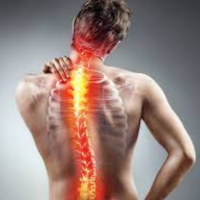
What Makes Back Pain So Common?
Back pain is common across virtually every demographic group, and its reach is staggering. It is considered a leading cause of disability worldwide, costing healthcare systems and economies billions of dollars each year in lost productivity and medical care. Studies consistently show that low back pain in adults is among the top reasons people visit a doctor, and a significant percentage of the global population will experience at least one episode during their lifetime.
The musculoskeletal system is remarkably complex, and the back — in particular the lower back — bears the brunt of many everyday physical demands. The combination of sedentary work habits, increasing screen time, and reduced physical activity has contributed to a sharp rise in back and neck pain across all age groups. Understanding just how prevalent this condition is helps explain why so much research and attention has been devoted to finding better ways to manage and prevent it.
What Are the Main Causes of Back Pain?
The causes of back pain are wide-ranging, and identifying the correct source is essential for choosing the right treatment. One of the most frequent culprits is muscle or ligament strain — often the result of sudden awkward movements, improper lifting techniques, or prolonged strain on the back. When back muscles and spinal ligaments are stretched beyond their normal range, the resulting inflammation and pain can be both immediate and intense. Muscle spasms are a common response to this type of injury, as the body attempts to protect the injured area.
Structural issues within the spine also cause back pain in many cases. A herniated disk — where the soft material inside a spinal disk pushes out and puts pressure on a nerve — is a well-known source of both localized and radiating pain. Similarly, spinal stenosis, a condition where the space around the spinal cord narrows, can compress nearby nerves and cause significant discomfort, numbness, or weakness in the legs. Arthritis, particularly osteoarthritis, can affect the joints of the spine and contribute to pain that worsens with age.
Less commonly, conditions such as ankylosing spondylitis — a form of inflammatory arthritis that primarily targets the spine — can cause chronic back pain that progressively limits mobility. Osteoporosis, which weakens the bones of the vertebra, can lead to painful compression fractures. Certain medical conditions, including kidney problems and some types of infections, can also cause pain that radiates into the back, making it important not to dismiss back pain as purely a musculoskeletal concern without proper evaluation.
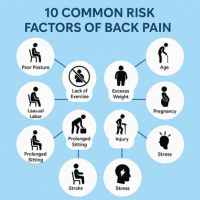
What Are the Key Risk Factors for Developing Back Pain?
Several risk factors contribute to back pain, and understanding them can help people take proactive steps to protect their spinal health. Age is one of the most significant factors — back pain becomes increasingly common as people get older, in part because the discs between the vertebrae lose hydration and elasticity over time. Standing for long periods, particularly in occupations that involve repetitive bending or heavy lifting, also places excessive strain on the back and can increase the likelihood of injury.
Lifestyle choices play a substantial role as well. People who are overweight carry extra load on the spine, which can develop back pain more easily over time. Smoking has been linked to reduced blood flow to the spinal discs, accelerating degeneration. A lack of regular physical activity weakens the core muscles that support the spine, making the back more vulnerable. Psychological factors such as stress and anxiety can amplify pain signals and contribute to muscle tension, which in turn can aggravate back pain or slow recovery.
Recognising the Symptoms — From a Dull Ache to Sharp Pain
Back pain symptoms vary widely depending on the underlying cause. Pain can range from a dull, persistent ache to a sharp pain that makes it difficult to stand or move. Some people describe it as a shooting pain that travels down the leg — a classic sign of sciatica, which occurs when the sciatic nerve is compressed or irritated, often due to a herniated disk. In other cases, pain may feel like a burning or throbbing sensation that worsens with movement or prolonged sitting.
Certain symptoms should be treated as red flags requiring prompt medical attention. These include numbness or tingling in the legs, unexplained weakness in the lower limbs, or loss of bladder and bowel control — all of which may point to serious nerve compression or spinal cord involvement. Severe back pain that follows a fall, trauma, or develops alongside fever and unexplained weight loss should also be evaluated by a healthcare professional without delay. Catching these warning signs early is critical to preventing long-term damage.
When Should Someone Seek Medical Help for Back Pain?
Not all back pain requires a doctor’s visit — many episodes of acute back pain resolve on their own within a few days to a few weeks with rest and basic self-care. However, when pain persists for more than six weeks, becomes progressively worse, or significantly limits daily functioning, it is time to seek professional advice. A physical examination allows a healthcare provider to assess the range of motion, identify areas of tenderness, and test nerve function.
Diagnostic tools such as X-rays, MRI scans, and CT imaging are used when a structural cause is suspected or when the pain does not respond to initial treatment. These tests help identify abnormalities in the spinal structures, including damage to disks, fractures of the vertebra, or narrowing of the spinal canal. A thorough diagnosis is the foundation of an effective treatment plan and ensures that the chosen approach addresses the actual cause of the pain rather than just the symptoms.
What Are the Most Effective Treatment Options for Back Pain?
Treatment for back pain typically begins with conservative approaches that do not involve surgery. For acute back pain, applying ice in the first 24 to 48 hours can help reduce swelling, while heat therapy can ease muscle stiffness in the days that follow. Over-the-counter pain relievers such as Rhustox & Arnica are commonly used for short-term pain relief, and anti-inflammatory medications can help address swelling and reduce pain in many cases. People with back pain are generally encouraged to stay as active as possible rather than resorting to prolonged bed rest.
Physical therapy is a cornerstone of back pain management and focuses on strengthening the muscles that support the spine, improving posture, and restoring normal movement patterns. A qualified physical therapist can design a personalised programmed to help with back pain that addresses specific weaknesses and limitations. Complementary approaches such as chiropractic care, massage therapy, and acupuncture have also shown benefits for many people with chronic back pain or persistent discomfort that does not respond to standard pain medication.
For cases involving significant nerve compression or inflammation, corticosteroid injections may be recommended to reduce pain and swelling around the affected spinal nerves. Chronic low back pain that fails to respond to other treatments may sometimes require surgical intervention, such as a discectomy, spinal fusion, or laminectomy to decompress the spinal cord. Surgery is typically considered a last resort, and most specialists will exhaust non-surgical options before recommending it to people with chronic back pain.
Home Remedies and Self-Care Strategies to Ease Back Pain
Many people find that a combination of home remedies and lifestyle adjustments can significantly ease back pain between professional treatments. Gentle stretching exercises — such as the cat-cow stretch, child’s pose, and knee-to-chest pull — can help reduce muscle tension and improve flexibility in the lower back. Walking, swimming, and yoga are low-impact activities that support the spine without placing excessive stress on already irritated tissues. Incorporating regular movement throughout the day, even in short bursts, can reduce pain and stiffness considerably.
Back support tools such as lumbar cushions and ergonomic chairs can make a noticeable difference for those who spend many hours sitting. Adjusting sleeping positions. For example, placing a pillow between the knees when lying on one’s side can also reduce strain on the back during the night. Alongside these physical measures, managing stress through mindfulness, deep breathing, or relaxation techniques can help modulate pain signals and prevent the cycle of tension and discomfort from perpetuating itself.
Can Back Pain Be Prevented?
While not every episode can be avoided, there are many evidence-based steps that can help prevent back pain from developing or recurring. Building a strong core is arguably the most important long-term strategy, as the muscles of the abdomen, pelvis, and back work together to protect the spinal column during movement. Regular exercise that includes both strength training and flexibility work is one of the best investments a person can make in their spinal health.
Ergonomics matter enormously in both home and workplace environments. Maintaining a neutral spine when sitting, using proper lifting techniques bending at the knees rather than the waist and avoiding prolonged postures that contribute to back pain are all practical measures anyone can adopt. Maintaining a healthy weight reduces the load on the spine, and quitting smoking can improve circulation to the spinal discs. Together, these habits form a powerful foundation for long-term back health.
Special Considerations — Back Pain in Pregnancy and Older Adults
Back pain affects certain populations in distinct ways. During pregnancy, the shifting centre of gravity, hormonal changes that loosen ligaments, and the added weight of the growing baby all place considerable strain on the back. Many expectant mothers experience back pain that may feel like a dull persistent ache or sharper discomfort in the lower back and pelvis. Gentle exercise, prenatal yoga, and the use of supportive belts can help manage symptoms, while regular consultation with a midwife or obstetrician ensures the safety of any treatment approach.
Older adults face an increased risk of back pain due to age-related degeneration of spinal structures, reduced bone density, and the cumulative effect of decades of physical wear. For this group, the risk of nerve pain and leg pain related to spinal changes such as stenosis or degenerative disc disease is higher. Staying active, maintaining good nutrition, and working closely with healthcare providers to manage conditions such as arthritis or osteoporosis can help older adults maintain quality of life and experience back pain less severely.
Key Takeaways: What to Remember About Back Pain
- Back pain is a leading cause of disability worldwide and one of the most common reasons adults seek medical care.
- The most frequent causes of back pain include muscle or ligament strain, herniated disks, arthritis, and spinal conditions such as stenosis or ankylosing spondylitis.
- Major risk factors include age, sedentary habits, excess weight, smoking, poor posture, and high stress levels.
- Symptoms can range from a dull aching back to sharp or shooting pain, with numbness in the legs being a potential warning sign.
- Most acute back pain resolves with rest, anti-inflammatory care, and gentle movement — medical intervention is typically needed for chronic or severe cases.
- Treatment for back pain ranges from over-the-counter pain relievers and physical therapy to injections and, in rare cases, surgery.
- Home remedies like stretching, heat therapy, and back support tools can help ease back pain between professional treatments.
- Preventing back pain is possible through regular exercise, core strengthening, ergonomic adjustments, and healthy lifestyle choices.
- Pregnant women and older adults face unique back pain challenges that benefit from tailored, specialist-guided approaches.
- Anyone experiencing severe back pain, numbness, or loss of bladder or bowel control should seek medical attention promptly.
Disclaimer: This article is intended for educational and informational purposes only. The content provided does not constitute medical advice, diagnosis, or treatment. Every individual’s health situation is unique, and the information presented should not be used as a substitute for professional medical guidance. For the assessment, diagnosis, and treatment of any back-pain condition, please consult a qualified medical professional.
Want personalised care? Book an appointment with our qualified medical specialists today and take the first step towards a pain free life.

Leave a Reply